

Canon and Nikon are both Japanese listed companies with camera businesses, but their shares represent different groups. In their most recent completed fiscal years, imaging accounted for about 22.8% of Canon's external sales and 42.8% of Nikon's external revenue. The periods and segment definitions differ, and Canon's imaging segment also includes network cameras. These percentages describe business mix, not which stock will perform better.
Key Takeaways
- Canon trades in Tokyo under code 7751 and Nikon under 7731. Both have businesses beyond consumer cameras.
- Canon's 22.8% uses the year ended December 2025; Nikon's 42.8% uses the year ended March 2026. Both calculations use sales to external customers.
- Canon's imaging category includes network cameras and other products. Nikon's imaging category has its own scope, which changed in the following fiscal year.
- Revenue share is not camera market share, profit share, valuation or an investment recommendation.
Canon vs Nikon Stock: What Are the Listed Companies?
Canon Inc. and Nikon Corporation are separately listed companies. Canon identifies its Tokyo securities code as 7751 on its stock information page; Nikon's November 2026 results identify its code as 7731 and Tokyo as a listing market.
Swipe horizontally to view all columns.
| Company | Tokyo code | Businesses beyond consumer cameras |
|---|---|---|
| Canon | 7751 | Printing, medical and industrial businesses, as well as network cameras within imaging. |
| Nikon | 7731 | Precision equipment, healthcare and industrial activities in addition to imaging products. |
The businesses are described in Canon segment overview and Nikon results. Check the issuer, market and security type with your broker. The Japanese ticker and depositary receipt guide explains why a US-traded receipt and a Tokyo ordinary share may have different terms.
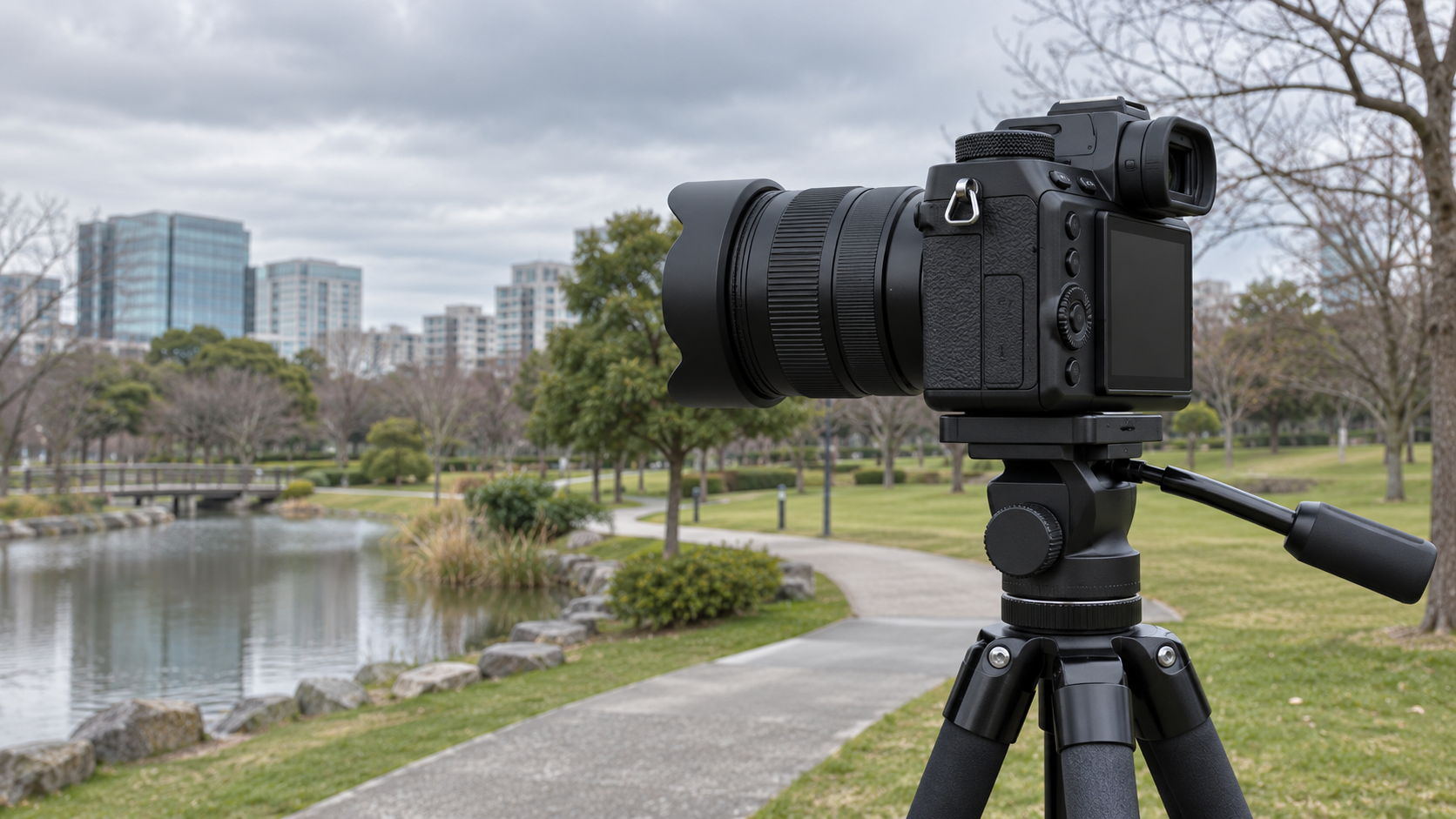
How Much Revenue Comes From Imaging?
Nikon's imaging products represented a larger share of its reported group revenue in the periods shown, but the two labels cover different activities. Use this as a map of the companies, not a head-to-head measure of camera profitability or a current-year forecast.
Swipe horizontally to view all columns.
| Company and completed fiscal year | Imaging sales to external customers | Consolidated sales to external customers | Calculated imaging share |
|---|---|---|---|
| Canon, year ended December 31, 2025 | ¥1,054,513 million | ¥4,624,727 million | 22.8% |
| Nikon, year ended March 31, 2026 | ¥290,053 million | ¥677,163 million | 42.8% |
The calculation for Canon is ¥1,054,513 million ÷ ¥4,624,727 million × 100 = 22.8%, rounded. For Nikon, ¥290,053 million ÷ ¥677,163 million × 100 = 42.8%, rounded. Numerator and denominator in each row use the company's external-customer basis, so intersegment sales are not counted as group sales. The figures come from Canon annual securities report and Nikon full-year financial results.
The fiscal years end three months apart and the businesses use different accounting standards and definitions. Percentages cannot tell a reader which company sells more cameras, has a higher camera margin or offers better value. Canon's group includes network cameras, while Nikon's imaging products cover cameras, lenses and related activities. Nikon revised its reporting segments effective April 2026, so check the restated basis before comparing with later results.

Why Is Canon's Imaging Segment Not Just Cameras?
Canon reports camera sales separately from network cameras and other imaging products. For the year ended December 2025, cameras generated ¥625,395 million in external sales and network cameras and other imaging products generated ¥429,118 million, according to its annual report. Together they equal ¥1,054,513 million in imaging sales to external customers.
The camera line was approximately 59.3% of that imaging total: ¥625,395 million ÷ ¥1,054,513 million × 100. The remaining 40.7% belongs to the network-camera-and-other line. These are revenue shares, not segment profits. Network cameras and consumer cameras can respond to different customer spending and product cycles. ATG Press's Canon segment revenue guide provides broader group context.

What Do the Latest Interim Results Add?
The annual comparison above is a stable reference point, but it is not the latest information. Canon reported ¥847.6 billion of imaging business-unit sales for the nine months ended September 2026, while Nikon reported ¥129.3 billion of imaging products revenue for the six months ended September 2026. These are different durations and company-reported segment measures; do not divide one by the other as a camera-market comparison.
Canon third-quarter presentation discusses growth in network and compact cameras alongside weaker interchangeable-lens unit sales. Nikon first-half presentation reports lower imaging revenue year on year and explains its latest segment basis. Future results can change the mix, and the interim periods are not full-year outcomes.
What Else Matters to an Investor?
Both companies have substantial non-camera operations. Canon reports printing, medical and industrial segments; Nikon reports precision equipment, healthcare and other businesses. Nikon's precision equipment includes lithography systems used in manufacturing semiconductors and flat-panel displays. These activities can affect results independently of camera demand.
A useful comparison starts with definitions before moving to valuation:
- Check each company's latest annual and interim reports, period and segment changes.
- Separate camera, network-camera and other activities where the company discloses them.
- Compare operating profit, cash flow, investment and risks as well as sales, using comparable definitions.
- Verify the security, trading venue, fees and currency exposure with your broker. A familiar camera brand is not a complete investment thesis.
See the Japan stock lot-size guide for Tokyo trading units and the Japanese earnings calendar guide for finding updates. Neither a revenue share nor this article establishes an appropriate investment for a particular reader.
Sources
- Canon, Annual Securities Report for the year ended December 31, 2025, accessed November 19, 2026.
- Nikon, Consolidated Financial Results for the fiscal year ended March 31, 2026, accessed November 19, 2026.
- Canon, Third-quarter 2026 results presentation, accessed November 19, 2026.
- Nikon, Results for the second quarter of the year ending March 2027, November 5, 2026.
Disclaimer
This article is for informational purposes only and does not constitute investment advice.

