

Japanese semiconductor stocks are best researched as a supply-chain map, not as a single bet on a chip cycle. Tokyo-listed companies span the equipment used to make chips, the tools used to test them, the precision processing that separates finished dies, the materials underneath them, and the chips or memory themselves. Those are different businesses with different customers, lead times and risks.
The current backdrop explains the attention. The Semiconductor Equipment Association of Japan (SEAJ) forecasts sales of semiconductor-manufacturing equipment made in Japan at JPY4.91 trillion in FY2025, JPY5.50 trillion in FY2026 and JPY5.61 trillion in FY2027. SEAJ defines FY2025 as April 2025 through March 2026; these are industry forecasts, not company revenue forecasts. Its January outlook cited advanced-logic investment and memory spending as important drivers. Read the SEAJ forecast.
For an international investor, the useful question is therefore not “Which Japanese semiconductor stock is best?” It is: which stage of the chain am I actually studying, and which official disclosures can test the thesis?
Key takeaways
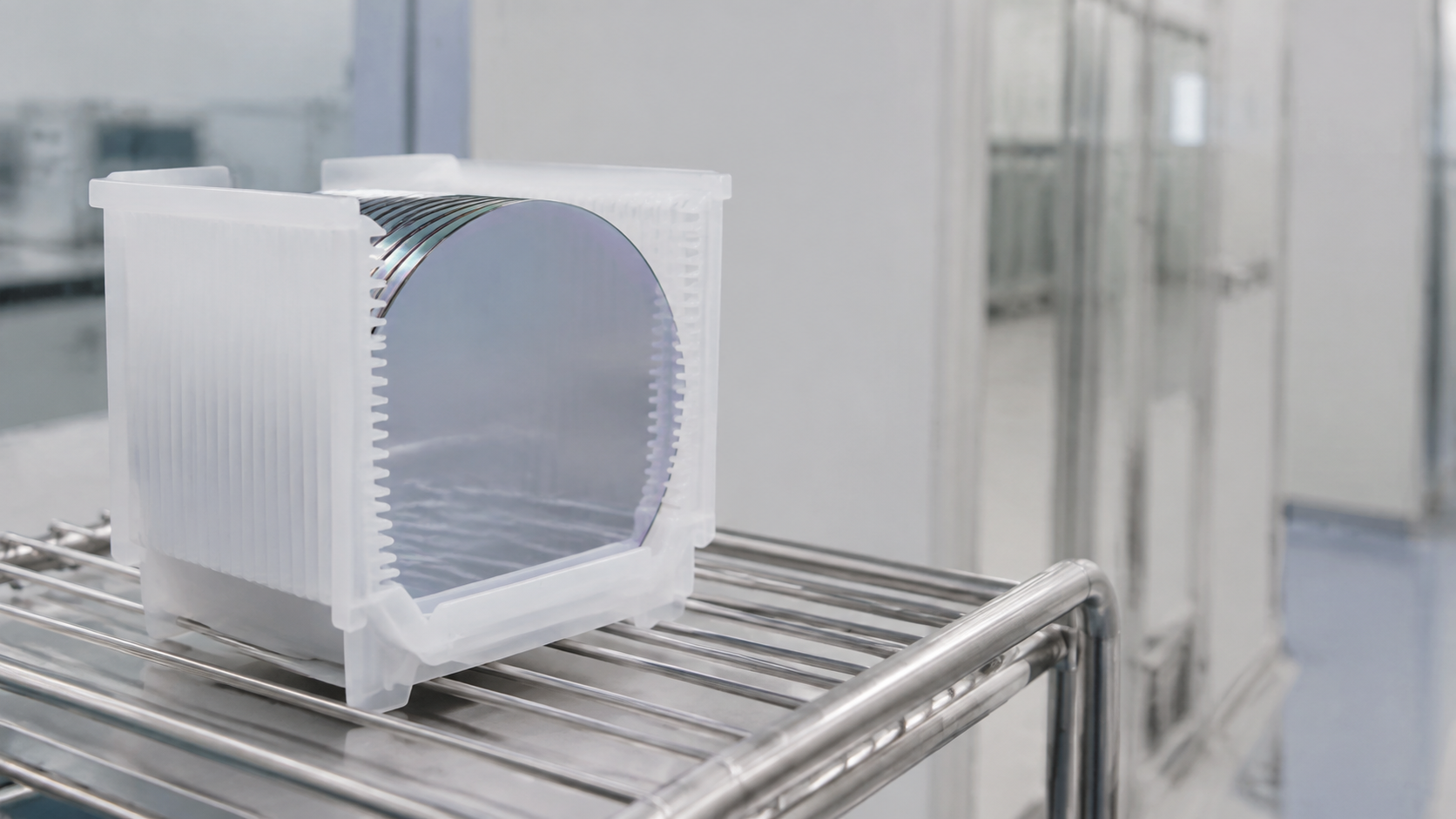
- Japan offers exposure across equipment, automated test, inspection, precision processing, silicon wafers, memory and embedded chips; these categories should not be treated as interchangeable.
- Tokyo Electron, Advantest, DISCO, Lasertec and SCREEN are principally equipment, test, inspection or processing names. Renesas and Kioxia provide more direct chip or memory exposure; SUMCO is a wafer-materials name.
- SEAJ’s industry forecast is a useful cycle indicator, but company research still requires customer concentration, order timing, capacity plans, margins and cash-flow evidence.
- The map below is a research starting point, not a ranking, price target or investment recommendation.
Why Japanese semiconductor stocks are not one trade
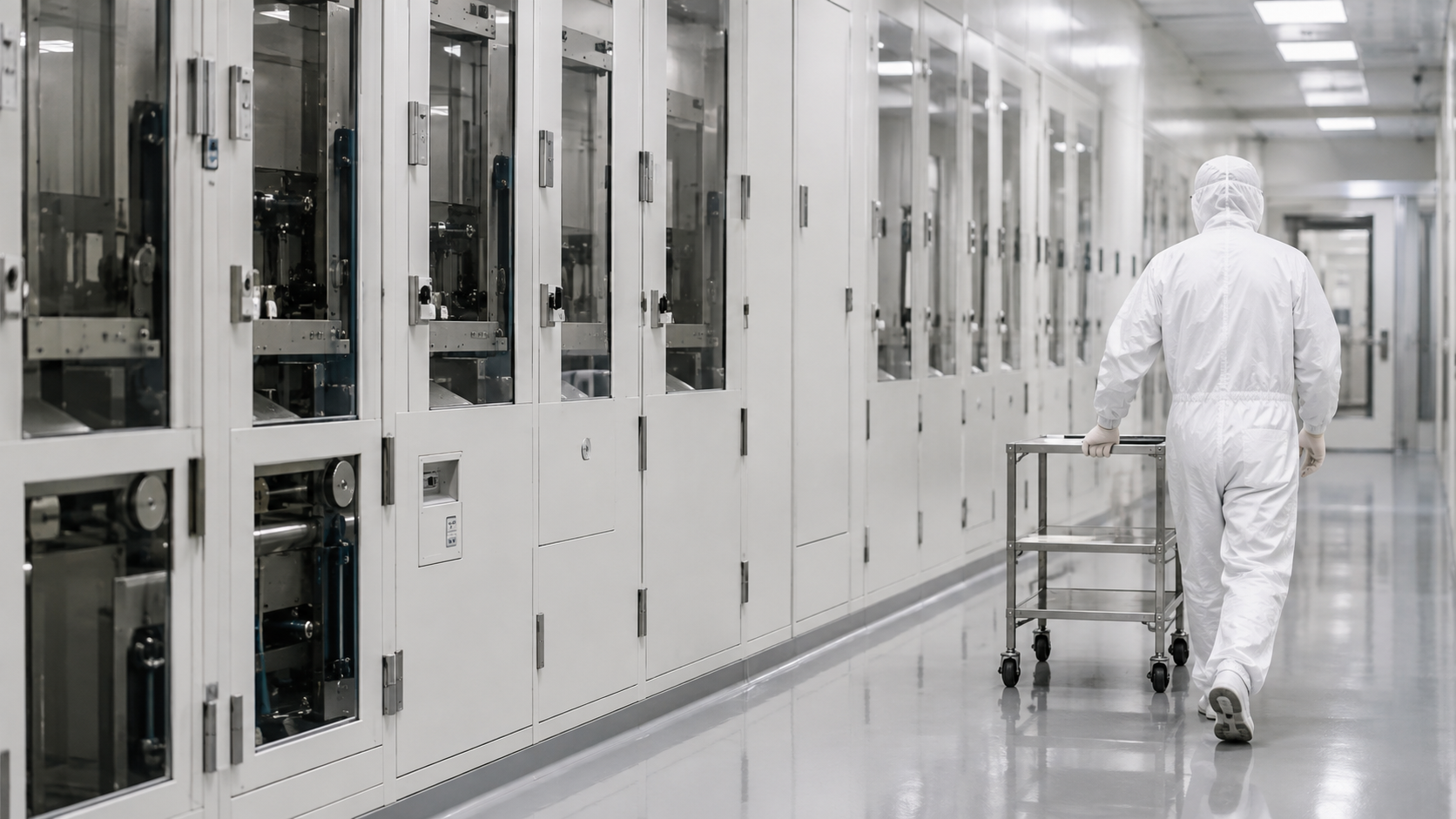
The phrase “Japanese semiconductor stocks” can hide several different economic exposures. An equipment supplier may respond to a foundry’s capital-expenditure plan before production volumes rise. A test-equipment company may be sensitive to the complexity and mix of chips being shipped. A memory producer faces pricing and inventory cycles that can diverge from equipment spending. A wafer supplier must be assessed through volumes, utilization and contract conditions.
That distinction matters especially in a period shaped by AI-server investment, advanced logic and high-bandwidth memory. SEAJ’s forecast is evidence of a broad equipment backdrop, not proof that every listed company has the same demand, margin, valuation or risk profile. The cleanest first step is to place a company by its product role, then read its own earnings presentation and annual report.
For process context, ATG Press has also explained why High-NA EUV changes chipmaking and compared TSMC’s fab footprint across Taiwan, Japan, the United States and Europe. Those pages describe different parts of the same ecosystem; neither replaces a company filing.
Japanese semiconductor stock map
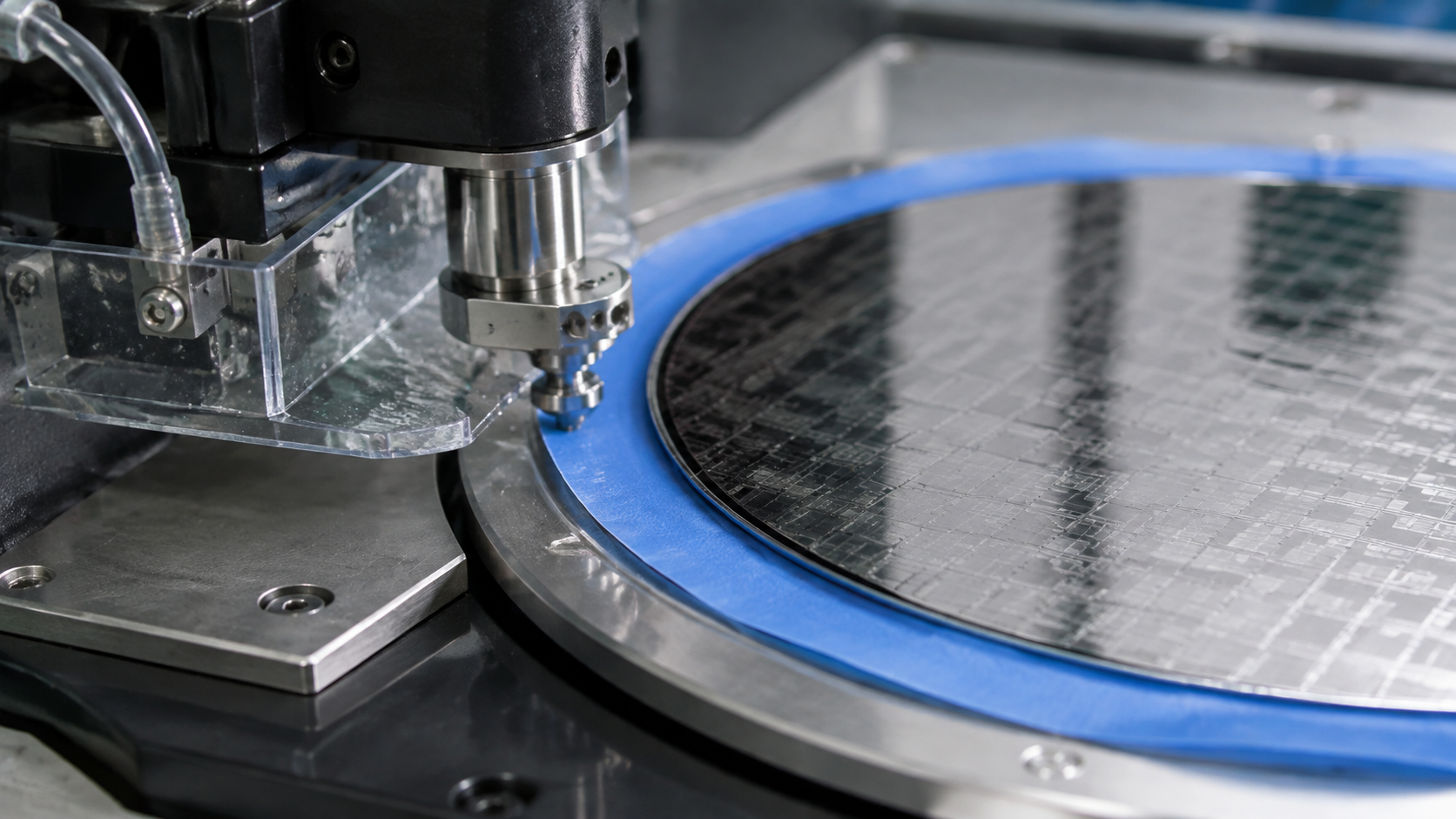
The table is intentionally functional rather than exhaustive. “Starting source” means the first official document or site an investor should open, not a recommendation to buy, sell or hold a security.
Swipe horizontally to view all columns.
| Company | Tokyo code | Primary role | What the role exposes investors to | Starting source |
|---|---|---|---|---|
| Tokyo Electron | 8035 | Semiconductor production equipment | Fab capital spending and process-tool demand | Integrated report and IR library |
| Advantest | 6857 | Automated test equipment | Test intensity, chip complexity and semiconductor production mix | Investor relations |
| DISCO | 6146 | Precision processing | Dicing, grinding and precision processing after wafer fabrication | Investor relations |
| Lasertec | 6920 | Inspection and metrology | Inspection requirements for leading-edge masks and wafers | Investor relations |
| SCREEN Holdings | 7735 | Semiconductor production equipment | Cleaning and other process-tool demand | Investor relations |
| Renesas Electronics | 6723 | Semiconductor products | Embedded processing, analog and connectivity demand | Investor relations |
| Kioxia Holdings | 285A | Flash memory | NAND memory demand, pricing and supply conditions | Investor relations |
| SUMCO | 3436 | Silicon wafers | Wafer shipments, utilization and material-cycle conditions | Investor relations |
The companies are not equally diversified, equally cyclical or equally exposed to the same customers. A useful cross-check is the MSCI Japan Semiconductors & Semiconductor Equipment Index, whose August 31, 2026 factsheet lists Tokyo Electron, Advantest, Kioxia, Renesas, DISCO, Lasertec and SCREEN among its top constituents. That is a dated illustration of sector concentration, not a complete investable universe or an endorsement of the index. See the MSCI factsheet.
How to research each company
Start with the company’s own business definition. Tokyo Electron’s integrated-report library, for example, separates its semiconductor-production-equipment business from its broader value-creation discussion. The same discipline applies elsewhere: use the issuer’s annual report to identify products and end markets before relying on a sector label.
Then work through this checklist:
1. Product and customer exposure: Is the company selling process equipment, test systems, inspection, materials, memory or finished chips? Which customer type ultimately drives orders? 2. Cycle evidence: Compare management’s order, demand, inventory and capacity commentary across several reporting periods. Do not substitute a sector headline for company-specific evidence. 3. Financial quality: Check revenue mix, gross margin, operating cash flow, capital expenditure, inventory, receivables and net cash or debt in the filing. Use the company’s own fiscal-year labels. 4. Geography and policy risk: Identify manufacturing locations, sales regions, export-control commentary and supply-chain dependencies in the risk factors. 5. Ownership and governance: For material stake changes, use Tokyo exchange disclosures and Japan’s 5% Rule large-shareholding-report guide, rather than summaries or social-media claims.
This approach is more reusable than a list of recent winners. It also makes an earnings update easier to interpret: a change in orders can matter differently for a test supplier, a dicing specialist and a memory producer.
Market context: Tokyo Electron as an equipment barometer
Tokyo Electron is a useful reference point because its official materials are accessible in English and it is one of the largest names in the dated MSCI sector factsheet. It is not a proxy for every Japanese semiconductor company. Test, inspection, memory and materials businesses can follow different demand paths.
The chart is contextual only and may display delayed market data. It is not the source for company, dividend, earnings or capital-allocation claims; use official filings and releases for those facts.
Risks that the label does not remove
The most obvious risk is the semiconductor cycle itself: customer capital expenditure can be delayed, production utilization can fall and inventory corrections can reduce demand quickly. A second risk is concentration. A company may have a narrow product niche, a limited set of customers or a large dependence on a particular technology transition.
There are also timing risks. Equipment revenue recognition, testing demand, memory pricing and wafer shipments can move on different schedules. Currency movements, export restrictions, capacity expansion and competition can further change results. A strong industry forecast is therefore a reason to read the underlying disclosures closely, not a substitute for doing so.
What to watch next
- SEAJ’s monthly Japan-based equipment billings and updated industry forecasts.
- Each company’s earnings date, guidance, order commentary and inventory discussion.
- Foundry and memory-maker capital-expenditure plans, especially where a company identifies them as relevant demand drivers.
- Changes in production capacity, export-control disclosures, customer mix or large-shareholding reports.
Sources
- SEAJ: Semiconductor and FPD Manufacturing Equipment Market Forecast Report, January 15, 2026
- SEAJ English press archive and market-statistics updates
- Tokyo Electron integrated-report library
- MSCI Japan Semiconductors & Semiconductor Equipment Index factsheet, data as of August 31, 2026
- Official investor-relations sites linked in the company map above.
This article is for informational purposes only and does not constitute investment advice.

