

Japan robotics stocks are not one uniform trade. FANUC and Yaskawa Electric both offer listed exposure to industrial automation, but they sit at different points in the automation stack and report on different fiscal calendars. For a research-led comparison, start with what each company actually sells, then line up the same demand signals before drawing conclusions from the numbers.
The Tokyo Stock Exchange (TSE) codes are 6954 for FANUC and 6506 for Yaskawa Electric. Both names appear in Japan Exchange Group's published JPX-Nikkei 400 constituent file, which is a useful official cross-check when matching a company name with a Japanese security code. Japan Exchange Group's constituent list is the source for the codes used here.
Key takeaways
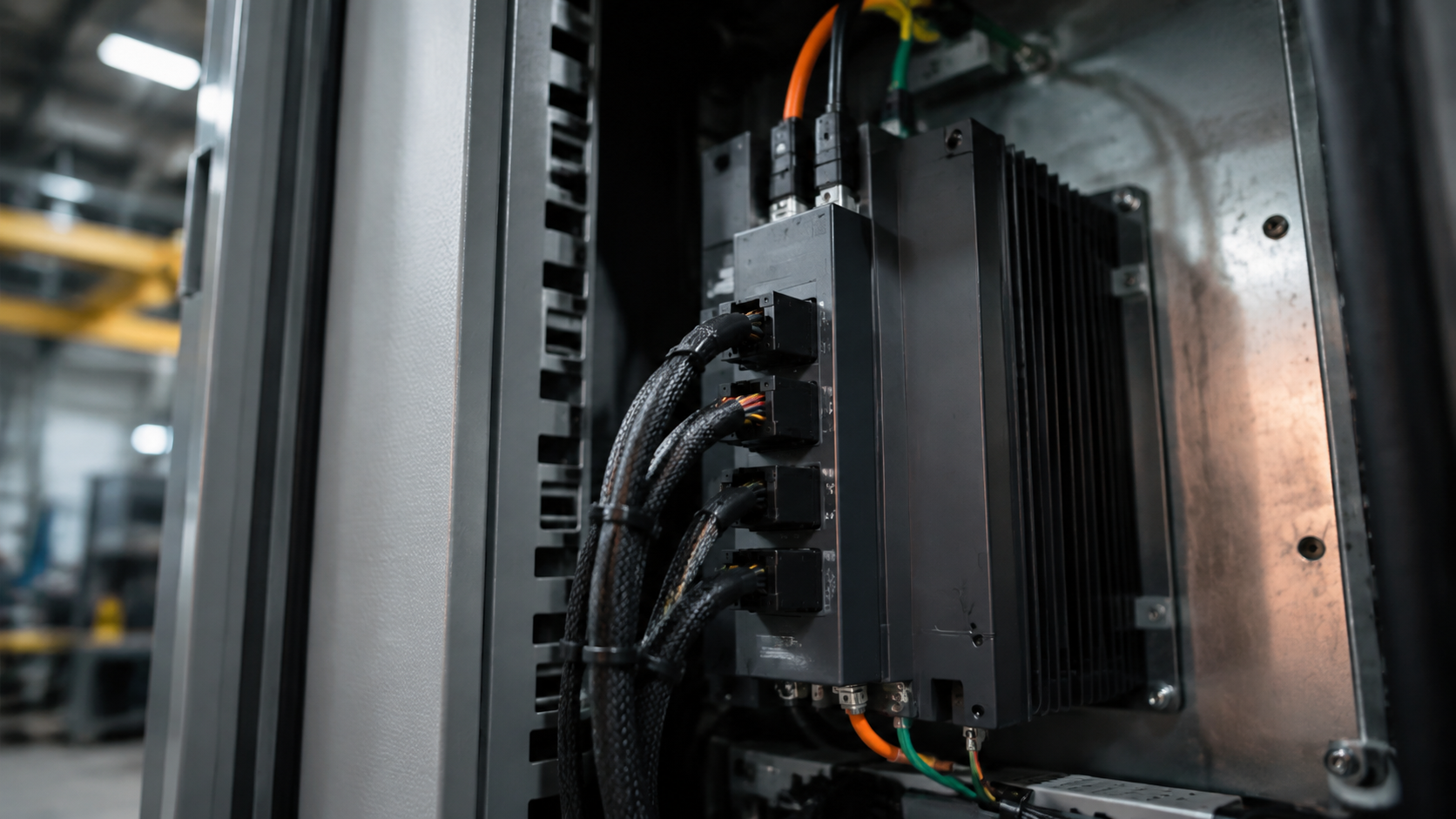
- FANUC is a broad factory-automation platform: its official business description covers CNCs and servos, robot arms, and machine tools.
- Yaskawa is a motion-and-automation company whose investor materials should be read with its February fiscal year-end in mind; FANUC's year ends in March.
- A useful comparison does not begin with a single valuation multiple. It begins with orders, end-market and regional exposure, product/service mix, foreign-exchange assumptions, and management's stated outlook.
Two different ways to own automation
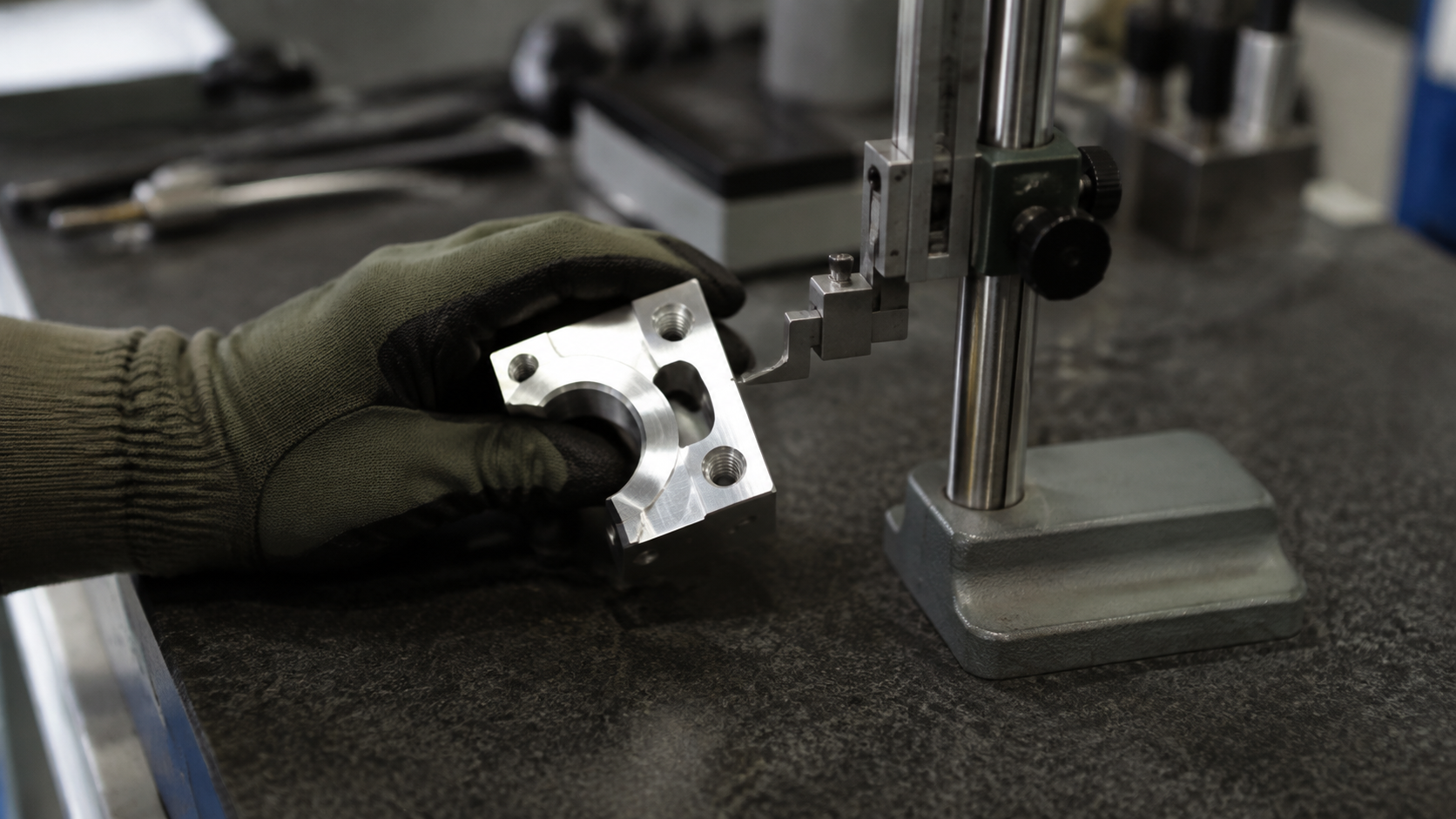
FANUC's own business description is a good illustration of why the label “robotics” can be too narrow. Its Factory Automation business supplies numerical-control systems and servos used to control machine tools; its Robot business applies those technologies to robot arms; and its ROBOMACHINE business includes compact machining centers, electric injection-molding machines and wire electrical-discharge machines. In other words, its disclosed product map reaches from factory control components to equipment that uses them. FANUC's business overview provides the primary description.
Yaskawa's official investor material is the counterpart to read on the motion-control side. Its investor site describes a history focused on motors and their applications, and it provides a dedicated investor guide alongside financial reports. That combination matters: a reader looking for “robotics” exposure should check whether a result is being driven by robot systems, motion products, or another operating line before comparing it mechanically with FANUC. Yaskawa's at-a-glance page and Investor's Guide are the starting sources.
The practical distinction is not a verdict on which company is better. It is a prompt to ask a sharper question: are you studying demand for the factory control layer, robotic cells, motion components, or an integrated manufacturing project? A sector headline may cover all of those, while a company release may not.
A side-by-side research map

Swipe horizontally to view all columns.
| Research item | FANUC | Yaskawa Electric | Why it matters |
|---|---|---|---|
| TSE code | 6954 | 6506 | Verify the ordinary-share code before opening a chart or filing. |
| Official starting point | Financial results library and business overview | Financial reports library and Investor's Guide | Use primary materials before secondary summaries. |
| Fiscal year-end | March 31 | February 28 | A quarter with a similar label may cover a different economic period. |
| Product lens to identify | Factory automation, robots, and ROBOMACHINE | Motors and their applications; use the investor guide and results materials to separate operating drivers | Prevents a generic “robotics” label from hiding different exposures. |
| First signals to compare | Orders, regional demand, product and service commentary, and outlook | Orders, operating-line commentary, regional demand, and outlook | A same-period comparison is more informative than a price-only comparison. |
On a phone, swipe the table horizontally to see every column. Do not collapse the company differences into a headline comparison: the fiscal calendars alone make an unadjusted “latest quarter” comparison potentially misleading.
What to read before comparing the stocks
Start with the latest official results release, then read the presentation or reference material and the results Q&A where available. FANUC's IR library groups its annual and quarterly materials by fiscal period, including reference material and Q&A summaries. FANUC's results archive is therefore more useful than a chart alone for understanding management's stated assumptions.
Yaskawa's financial-reports page similarly organizes financial results, supplementary materials, briefing scripts and Q&A by its February year-end. The page lists FY2025 results for the year ended February 28, 2026, and FY2026 first-quarter material, making the publication dates and reporting periods explicit. Yaskawa's financial-reports archive is the primary record.
When reading either company, keep a short evidence sheet with these fields:
- Period and base: What exact months does the result cover, and what is the comparison period?
- Demand signal: Are orders, backlog, sales, or management commentary being cited? These are not interchangeable measures.
- End market and geography: Which customer industries and regions are identified as stronger or weaker?
- Operational driver: Is the explanation product mix, service activity, volume, price, foreign exchange, or cost?
- Forward-looking boundary: Separate a company forecast or management goal from a reported result.
This discipline also makes adjacent Japan-technology research easier. ATG Press's Japanese semiconductor stocks guide uses the same principle: follow the business exposure and official disclosure trail instead of relying on a broad theme label.
Use price charts as context, not evidence
The charts below are useful for locating the Tokyo-listed ordinary shares. They are not evidence for corporate-action claims, and market data may be delayed. Use company filings for business facts, results and guidance.
TradingView identifies these symbols as FANUC Corporation and Yaskawa Electric Corporation on the Tokyo Stock Exchange. Confirmed symbols: TSE:6954 and TSE:6506. For an international investor, the ordinary-share code is a useful identifier, but availability through a broker and any ADR terms should be checked separately.
A repeatable filing-reading checklist
Use the following sequence each reporting season:
1. Confirm the issuer, TSE code and reporting period in the official release. 2. Read the headline result, then locate the disclosed order, regional and operating-line context. 3. Compare like-for-like periods only. Do not put FANUC's March year-end result beside Yaskawa's February year-end result without noting the one-month difference. 4. Record management's forecast assumptions separately from achieved results. 5. Revisit the last two presentations before treating a one-quarter move as a structural change.
For a broader primer on matching Japanese codes, ISINs and overseas symbols, see ATG Press's Japanese stock tickers and ADRs guide. The Sony ordinary share versus ADR explainer shows why listing structure should be verified rather than assumed.
The useful conclusion
FANUC and Yaskawa are sensible names to place on a Japan robotics research list, but the useful comparison is not “robotics versus robotics.” FANUC's primary disclosures frame a wider factory-automation platform, while Yaskawa's materials point the reader toward motion and its applications. Their reporting calendars differ as well.
That leaves a practical next step: build a same-period evidence sheet from their official results, label what is reported versus forecast, and only then decide whether the automation exposure you want to study is actually comparable.
Sources
- Japan Exchange Group — JPX-Nikkei 400 constituent list (official list; accessed September 7, 2026)
- FANUC — Financial Results and Conference Materials (official IR archive; accessed September 7, 2026)
- FANUC — Business and SDGs (official business description; accessed September 7, 2026)
- Yaskawa — Financial Reports (official IR archive; accessed September 7, 2026)
- Yaskawa — Investor's Guide (official company material; accessed September 7, 2026)
- Yaskawa — At a glance (official company information; accessed September 7, 2026)
This article is for informational purposes only and does not constitute investment advice.

