

Rakuten stock means shares in Rakuten Group, Inc., not a separately listed share in Rakuten Ichiba, Rakuten Mobile or Rakuten Card. The parent company trades as 4755 on the Tokyo Stock Exchange (TSE) Prime Market. Its latest second-quarter release matters because all three reported segments—Internet Services, FinTech and Mobile—grew revenue, while their profit profiles remained very different.
For a reader researching the Tokyo ordinary share, the useful question is therefore not “is Rakuten an e-commerce stock?” It is how a listed parent combines a marketplace and digital services, financial businesses and a mobile-network investment—and whether the reported improvement is broad enough to understand without treating one quarter as a forecast.
Rakuten stock is a parent-company claim

Rakuten’s own stock information page identifies 4755 as a TSE Prime Market share. The company reports on a January–December fiscal year, says one trading unit is 100 shares, and holds its record date on 31 December.
That ownership point is easy to miss because individual services are more visible than the parent. A share in 4755 gives exposure to the consolidated group; it is not a direct holding in a standalone shopping marketplace, card issuer, securities broker or mobile operator. The practical research task is to read the group’s segment disclosures and then check the exact security and trading route available through a broker.
Swipe horizontally to view all columns.
| If a reader is looking for | What the official disclosure identifies | Why the distinction matters |
|---|---|---|
| Rakuten’s listed security | Rakuten Group, Inc., code 4755, TSE Prime | The listed parent is the research starting point. |
| Standard Tokyo order unit | 100 shares | A displayed share price is not automatically the value of a standard domestic-stock order. |
| Financial reporting period | January to December | Quarter labels should be matched to Rakuten’s fiscal calendar. |
| A particular Rakuten service | A group operating business, not a separately listed share in this disclosure | Group results combine businesses with different economics. |
For mechanics, ATG Press’s Japan stock lot-size guide explains the 100-share convention, while the Tokyo market-hours guide separates exchange sessions from a broker’s own order-acceptance window.
Q2 2026 shows growth across the three segments

Rakuten reported Q2 FY2026 consolidated revenue of ¥665.5 billion, up 11.6% year on year. It reported ¥42.0 billion of non-GAAP operating income, ¥20.0 billion of IFRS operating income and ¥115.3 billion of EBITDA, a cash-flow-related measure the company defines as non-GAAP operating income plus depreciation and related costs. The release also reported ¥7.7 billion of net income attributable to owners of the parent company. Rakuten’s Q2 release is the source for those figures and definitions.
The segment table below is the clearest way to see why a single “Rakuten is improving” headline is incomplete. Internet Services and FinTech produced positive non-GAAP operating income; Mobile still reported a loss, albeit a narrower one.
Swipe horizontally to view all columns.
| Q2 FY2026 reported segment | Revenue | Year-on-year revenue change | Non-GAAP operating income / loss | Year-on-year change | Source |
|---|---|---|---|---|---|
| Internet Services | ¥338.1bn | +4.2% | ¥23.1bn income | +68.6% | Rakuten Q2 release |
| FinTech | ¥295.4bn | +27.0% | ¥69.2bn income | +60.1% | Rakuten Q2 release |
| Mobile | ¥121.4bn | +8.3% | ¥33.1bn loss | Loss narrowed by ¥4.1bn | Rakuten Q2 release |
| Consolidated group | ¥665.5bn | +11.6% | ¥42.0bn income | +109.6% | Rakuten Q2 release |
These are quarterly, company-reported amounts, not a valuation model. Rakuten also changed the allocation of some AI-related development costs from Q1 FY2026 and retroactively revised segment results from Q1 FY2025, according to its Q2 presentation. That makes the company’s revised comparatives preferable to an externally reconstructed multi-year segment series.
Mobile remains the swing factor
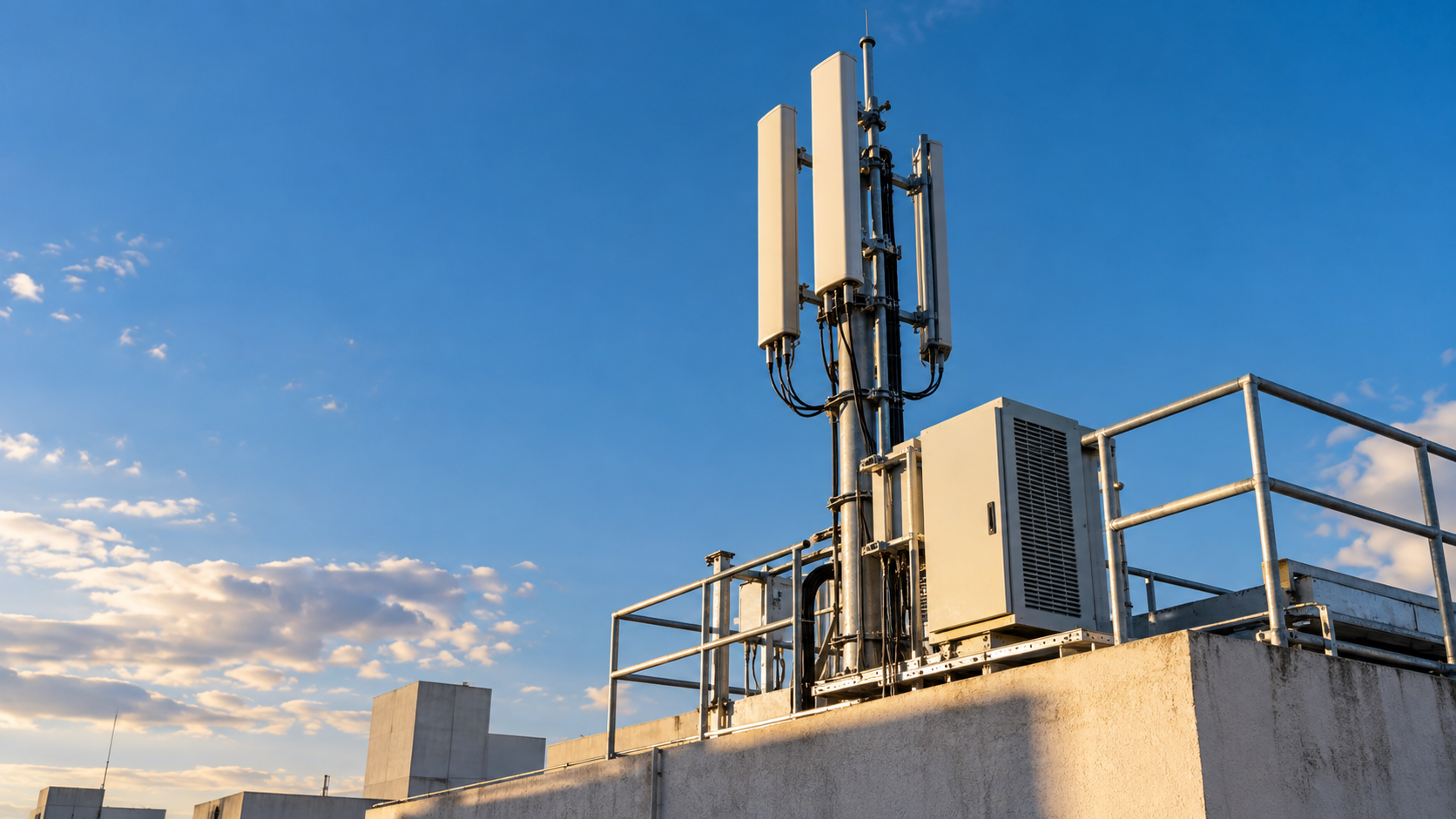
The Q2 release says Mobile revenue was ¥121.4 billion, while the segment’s non-GAAP operating loss narrowed to ¥33.1 billion. Within that segment, Rakuten Mobile reported ¥101.3 billion of revenue, a ¥32.3 billion non-GAAP operating loss and EBITDA of ¥5.9 billion. It also reported 10.75 million total subscriptions at the end of June 2026.
This is the business a reader should keep separate from the group’s profitable segments. Narrowing a loss is not the same as reaching group-level profitability, and EBITDA is not the same measure as IFRS operating income or net income. Rakuten says it aims for FY2026 profitability at income-before-tax and net-income levels; that is management’s objective, not a result already achieved.
The useful next check is whether subscriber growth, average revenue per user, capital expenditure and loss reduction continue to move together. Rakuten disclosed Q2 network-related capital expenditure of ¥39.3 billion and said its full-year capital-investment plan remained ¥200 billion. Those figures make financing and execution relevant alongside the operating trend.
What to follow before the next results
Rakuten’s investor-relations calendar lists Q3 FY2026 results for 13 November 2026. Before then, a disciplined research checklist is short:
- Check whether Internet Services and FinTech retain positive operating-income momentum rather than assuming the latest quarter repeats.
- Read Mobile subscriber, ARPU (average revenue per user), EBITDA, capital-expenditure and loss disclosures together; one figure alone does not describe network economics.
- Keep IFRS measures, non-GAAP measures and net income in separate columns when comparing periods.
- Confirm the Tokyo code and order mechanics for the actual security rather than substituting a familiar service brand or overseas instrument. ATG Press’s Japanese tickers and ADRs guide explains why a depositary receipt, where one exists, is not simply the same security as a Tokyo ordinary share.
Key takeaways
- Rakuten stock refers to Rakuten Group’s TSE Prime ordinary share, code 4755.
- Q2 FY2026 revenue grew in Internet Services, FinTech and Mobile, but only the first two segments reported positive non-GAAP operating income.
- Mobile’s narrower loss and investment needs remain a key part of interpreting the consolidated group.
- The next scheduled company update is Q3 FY2026 results on 13 November 2026; it is the natural refresh point for this guide.
Sources
- Rakuten Group, Q2 FY2026 Financial Results Highlights, published 10 August 2026; accessed 11 September 2026.
- Rakuten Group, FY2026 Second Quarter Consolidated Financial Results, published 10 August 2026; accessed 11 September 2026.
- Rakuten Group, Stock Information, accessed 11 September 2026.
- Rakuten Group, Investor Relations and calendar, accessed 11 September 2026.
This article is for informational purposes only and does not constitute investment advice.

