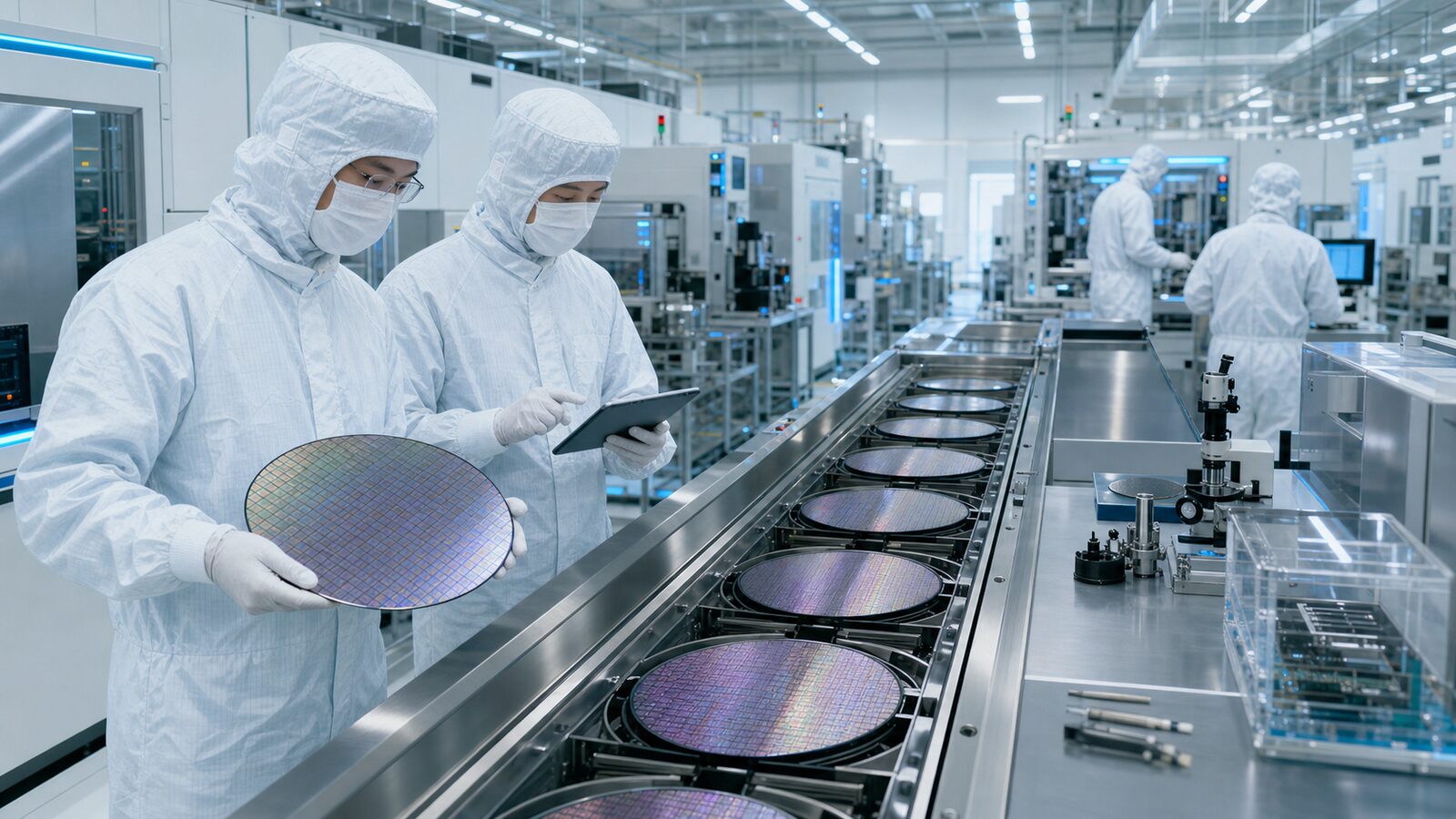
Tower Semiconductor's Japan expansion is a useful test of what Japan's semiconductor revival is becoming. The headline number is large: Japanese public-support reporting points to roughly 600 billion yen of investment and up to roughly 160 billion yen of government support. But the more important signal is the technology mix. This is not another story about only leading-edge logic. It is about silicon photonics, silicon germanium and advanced optical packaging, the parts of the chip stack that help data move through AI infrastructure.
For international readers, that distinction matters. Japan is trying to make itself harder to bypass in the semiconductor supply chain by pairing public capital with local manufacturing assets, regional engineering bases and selected foreign technology partners. Tower, an Israel-based analog and specialty foundry listed on Nasdaq and the Tel Aviv Stock Exchange as TSEM, is using that policy environment to expand in Toyama and Niigata.
Key Takeaways
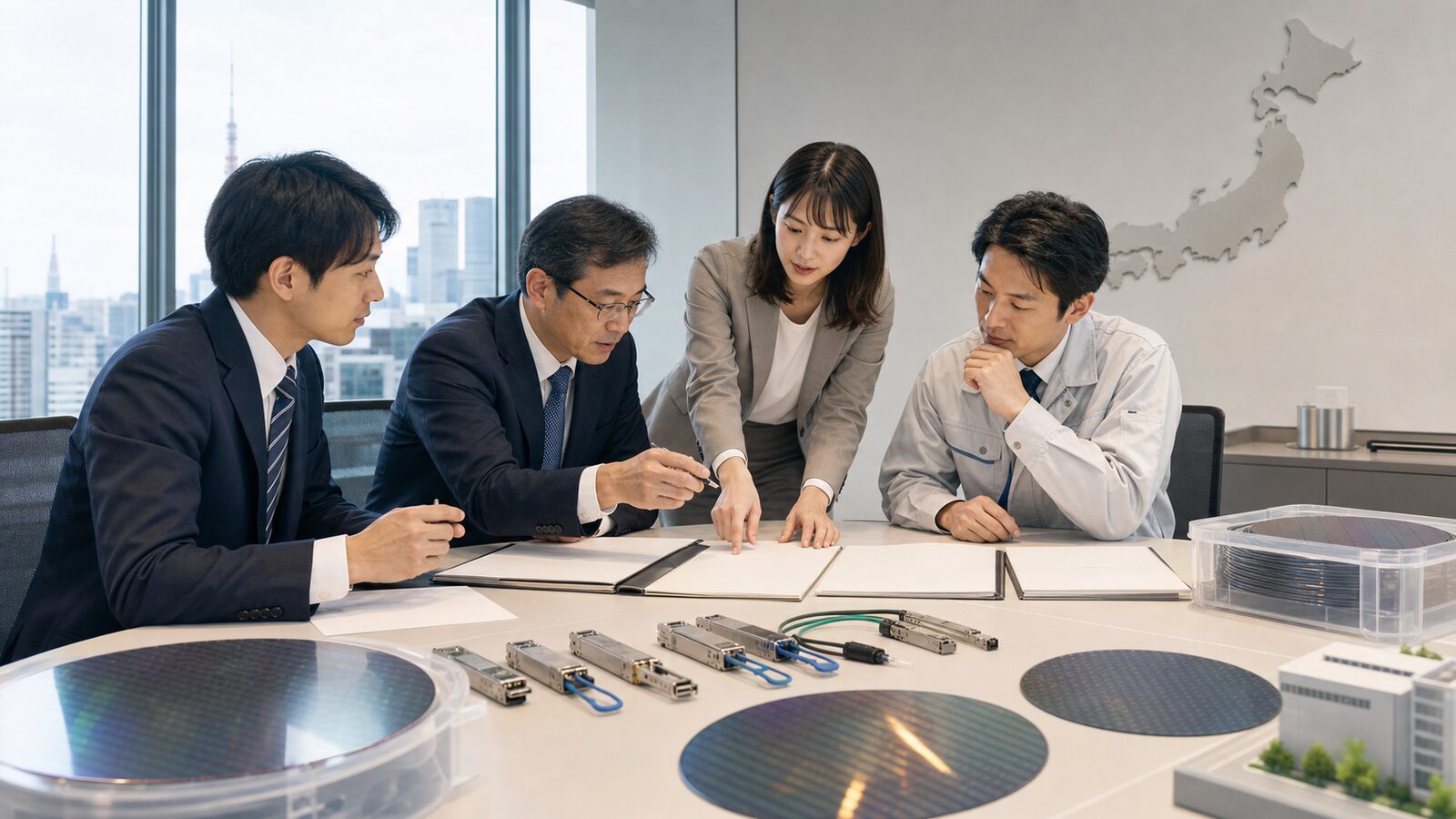
- Tower announced a dual-track expansion in Japan for 300mm silicon photonics, silicon germanium and advanced optical packaging.
- The near-term track repurposes the Arai facility in Niigata and expands output around Fab 7 in Uozu, Toyama, with full production readiness expected in the fourth quarter of 2027.
- JETRO, citing METI, reported a supply-securing plan involving roughly 600 billion yen of investment and up to roughly 160 billion yen of support.
- Tower's own investor materials frame the project as up to $3 billion of investment net of grants and say the updated 2028 business model is based on Track One alone.
- The main investment question is execution: demand, permits, equipment timing, grant conditions, customer commitments and semiconductor-cycle risk all remain live variables.
What Tower And METI Actually Announced
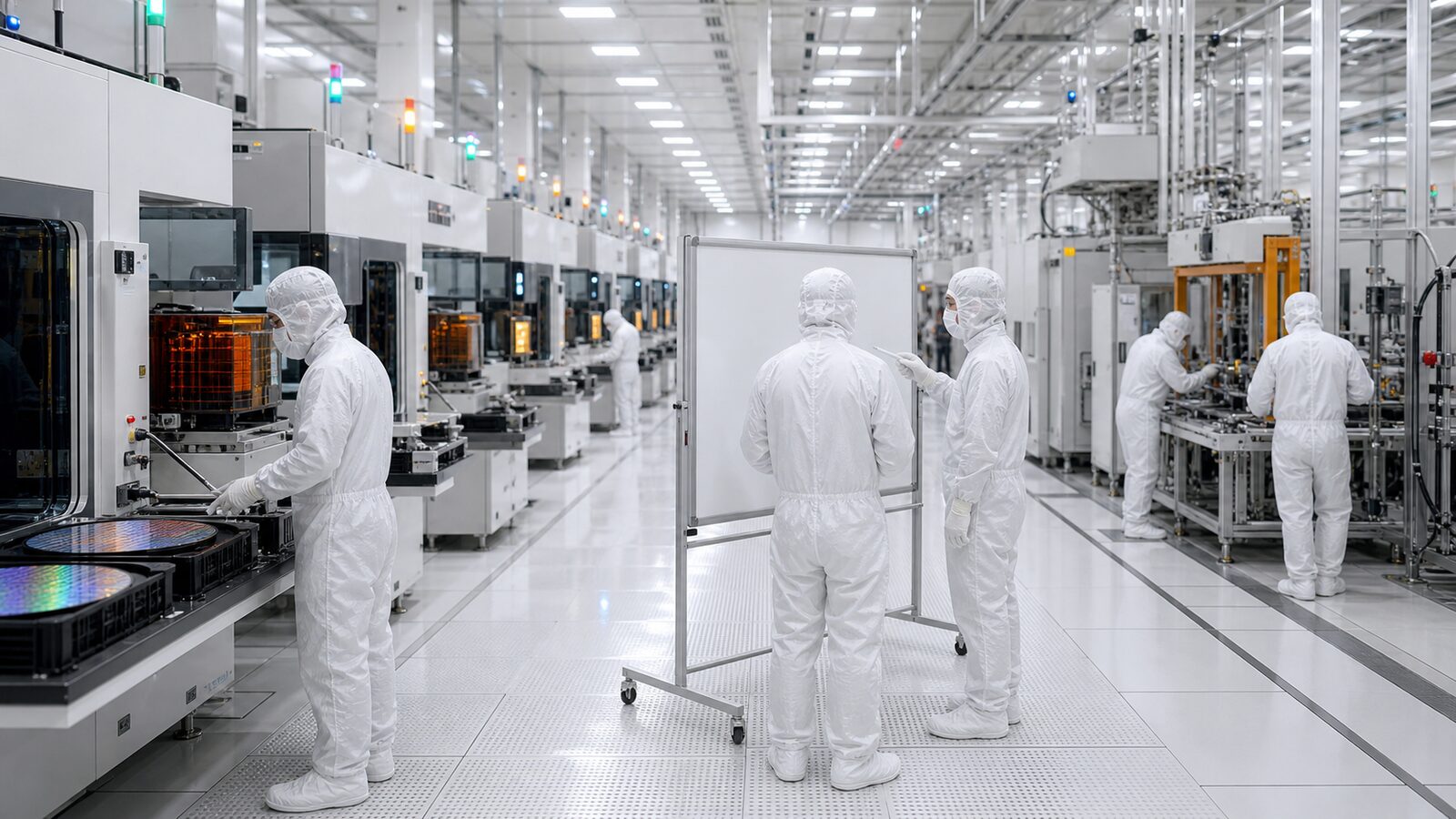
Tower said on July 14 that it will expand 300mm silicon photonics, silicon germanium and advanced packaging capabilities in Japan with support from the Government of Japan. The company's first track uses existing assets. It repurposes the Arai facility, formerly Fab 6, for 300mm silicon photonics and advanced packaging while maximizing output at Fab 7 in Uozu. Tower expects full production readiness for that first track during the fourth quarter of 2027.
The second track is larger and more optional. Tower said it will build an additional 300mm manufacturing facility adjacent to Fab 7, subject to definitive agreements. Management says that facility should provide a multi-fold increase in silicon-photonics and silicon-germanium capacity and begin contributing meaningfully from 2029.
The Japanese policy frame comes through the economic-security system rather than an ordinary industrial-development grant. JETRO reported that the project was certified as a supply-securing plan under the Economic Security Promotion Act, citing METI. It also reported that the project targets monthly capacity from 2027 of 16,000 300mm-equivalent silicon-photonics wafers and 2,000 300mm-equivalent silicon-germanium wafers, with more than 10 years of continued production after supply begins.
That is why the project should be read as both a company capacity expansion and a policy signal. METI is not simply buying a factory. It is supporting a domestic production base for optical communication semiconductors that Japan sees as strategically relevant to AI and data-center infrastructure.
Why Japan Wants This Kind Of Capacity
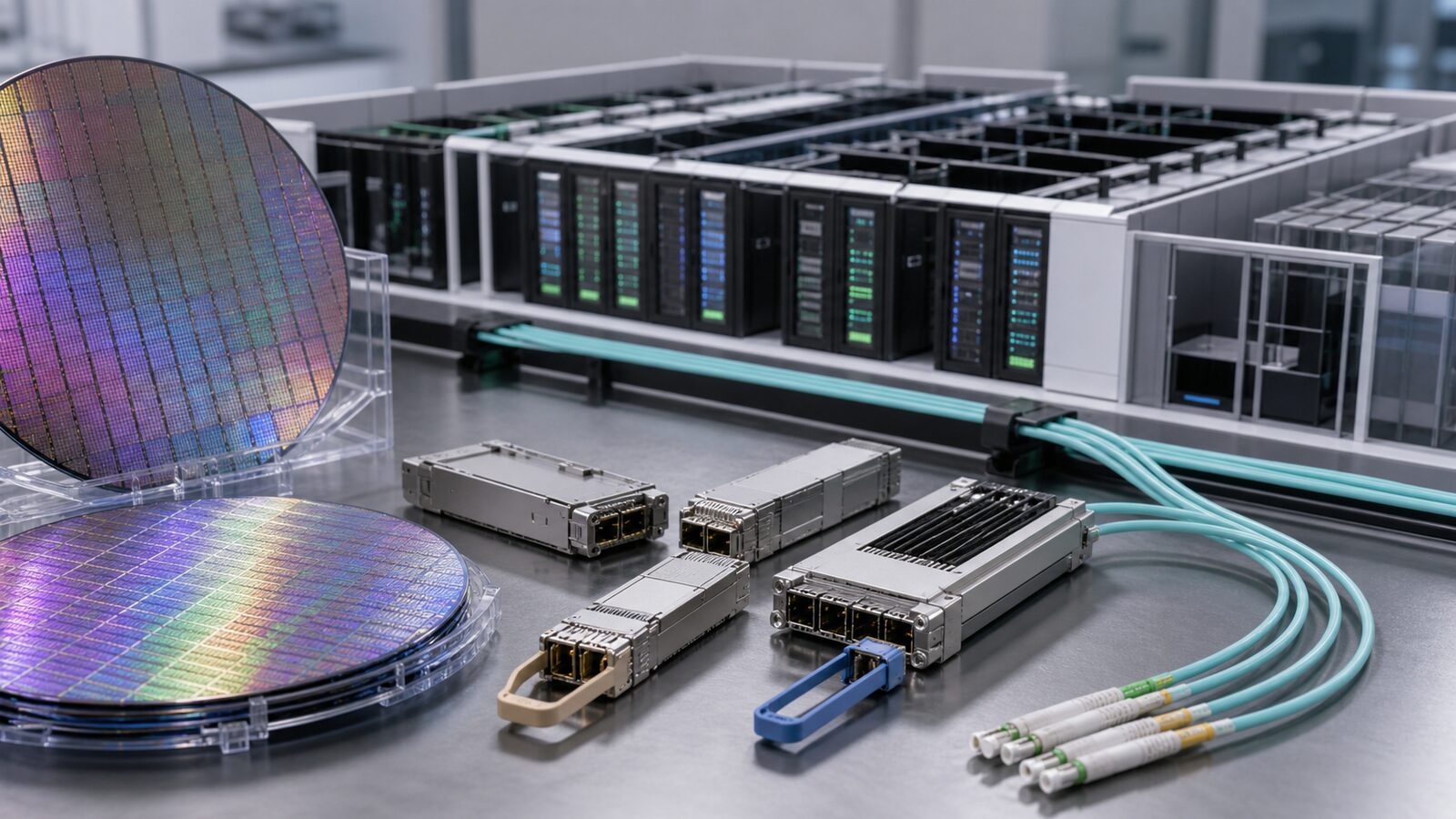
Silicon photonics and silicon germanium sit in a different part of the semiconductor map from the highest-profile logic race. They matter because AI data centers are not only limited by compute chips. They also need faster, lower-power movement of data between chips, boards, racks and facilities. Optical connectivity is becoming part of that bottleneck.
Japan's interest is therefore practical. It already has strengths in semiconductor materials, tools, precision manufacturing and factory discipline. A Tower project in Uozu and Arai gives Japan a way to anchor a more specialized capacity layer without trying to turn every subsidy into a direct challenge to Taiwan's most advanced logic foundries or South Korea's memory champions.
The regional angle is also important. Tower specifically pointed to long relationships with Toyama and Niigata, local suppliers, universities and engineering talent. If the project works, the benefit is not just more wafer output. It is a denser industrial base around optical and specialty analog manufacturing.
The Numbers To Keep Separate
The biggest source of confusion is the money. The yen and dollar figures are not simple translations of one another, and they should not be treated as if they describe the same accounting base.
Swipe horizontally to view all columns.
| Lens | Figure | Definition / period | Source |
|---|---|---|---|
| Japanese public-support framing | Roughly 600 billion yen investment; up to roughly 160 billion yen support | Project scale and maximum subsidy reported after METI certification, July 2026 | JETRO report citing METI |
| Tower company framing | Up to $3 billion investment, net of grants | Management's expected funding approach for the dual-track expansion | Tower investor FAQ, July 14, 2026 |
| Government grant framing in Tower release | $1 billion of grants from Japan | Company description of grants supporting the expansion | Tower press release and SEC Form 6-K |
| 2028 business model target | $3.6 billion revenue and $1.2 billion net profit | Tower management target based solely on Track One | Tower press release, SEC Form 6-K and investor FAQ |
| Track Two contribution | Meaningful contribution expected from 2029 | Additional facility adjacent to Fab 7, subject to agreements and execution | Tower press release and investor FAQ |
This distinction matters for investors. The Japanese figures describe a supply-security support plan. Tower's dollar figures describe management's view of the project's funding and future business model. ATG Press is not converting one into the other because the sources do not provide one common exchange-rate or accounting definition.
The Existing Fab Footprint Changes The Risk Profile
Tower's Japan plan is not a pure greenfield bet. In March, the company announced a restructuring of its TPSCo operations under which Tower would take full ownership of the 300mm Fab 7 operation through a wholly owned Japanese subsidiary, while Nuvoton Technology Corporation Japan would take full ownership of the 200mm Fab 5 operation. That transaction is targeted to close on April 1, 2027, subject to customary conditions and regulatory approvals.
That matters because Tower says its photonics technologies are already qualified and shipping in volume from Fab 7 in Uozu. Using an existing production base can reduce some greenfield risks: customer qualification, process transfer and early utilization. It does not remove execution risk. The SEC filing lists a long set of uncertainties, including construction timing, equipment availability, permits, financing, grant covenants, demand levels, customer commitments, currency exposure and semiconductor cyclicality.
Swipe horizontally to view all columns.
| Milestone | Expected timing | Why it matters | Main caveat |
|---|---|---|---|
| TPSCo restructuring close | April 1, 2027 target | Gives Tower full control of the 300mm Fab 7 operation | Subject to closing conditions and regulatory approvals |
| Track One production readiness | Fourth quarter of 2027 target | Adds near-term 300mm silicon-photonics and advanced-packaging capacity | Forward-looking target, not completed capacity |
| Reported METI capacity start | 2027 plan | JETRO reported SiPho and SiGe monthly capacity targets in 300mm-equivalent wafers | Based on JETRO's report citing METI |
| Track Two adjacent facility | Meaningful contribution from 2029 | Creates longer-term expansion beyond the 2028 business model | Subject to definitive agreements, build-out and demand |
The bullish version is straightforward: Japan gets a specialty AI-infrastructure manufacturing hub, and Tower gets capacity where it already has operational experience. The risk case is equally clear: if optical demand is slower than expected, if grants come with restrictive covenants, or if construction and tool timing slip, the project can still absorb capital before delivering the returns management is targeting.
Market Context: The TSEM Chart Is Only Context
TradingView chart data may be delayed and is included only to show market context for Tower Semiconductor's US-listed shares. The chart is not evidence for the Japanese subsidy, capacity targets, government policy or Tower's management forecasts.
What To Watch Next
The first checkpoint is documentary rather than dramatic: investors should watch whether Tower closes the Japan restructuring on schedule around April 2027 and whether METI's support terms become clearer. The next practical signal is equipment arrival and production-readiness progress at Arai and Uozu before the fourth quarter of 2027 target.
The second checkpoint is customer demand. Tower says the expansion is supported by strong customer engagement and long-term demand visibility, but it does not disclose customer-specific commitments. That is normal for foundry relationships, but it means investors should avoid treating the 2028 model as already locked in.
The third checkpoint is Japan's broader semiconductor policy. If Japan keeps steering subsidies toward areas where it has manufacturing depth and strategic demand, this project may become a template for capacity that is not as famous as advanced logic but is still essential to AI infrastructure. If policy support becomes scattered, the Tower project will be harder to read as part of a durable national strategy.
Sources
- Tower Semiconductor press release on the Japan expansion, released July 14, 2026.
- Tower Semiconductor Form 6-K filed with the SEC, filed July 14, 2026.
- Tower Semiconductor investor FAQ on the Japan 300mm expansion, dated July 14, 2026.
- JETRO business brief on Tower Semiconductor's Japan investment, released July 16, 2026.
- Tower Semiconductor March release on Japan 300mm restructuring, released March 25, 2026.
- TradingView chart for Tower Semiconductor on Nasdaq, accessed July 19, 2026. Trading data is contextual and may be delayed.
Investment Disclaimer
This article is for informational purposes only and does not constitute investment advice.

