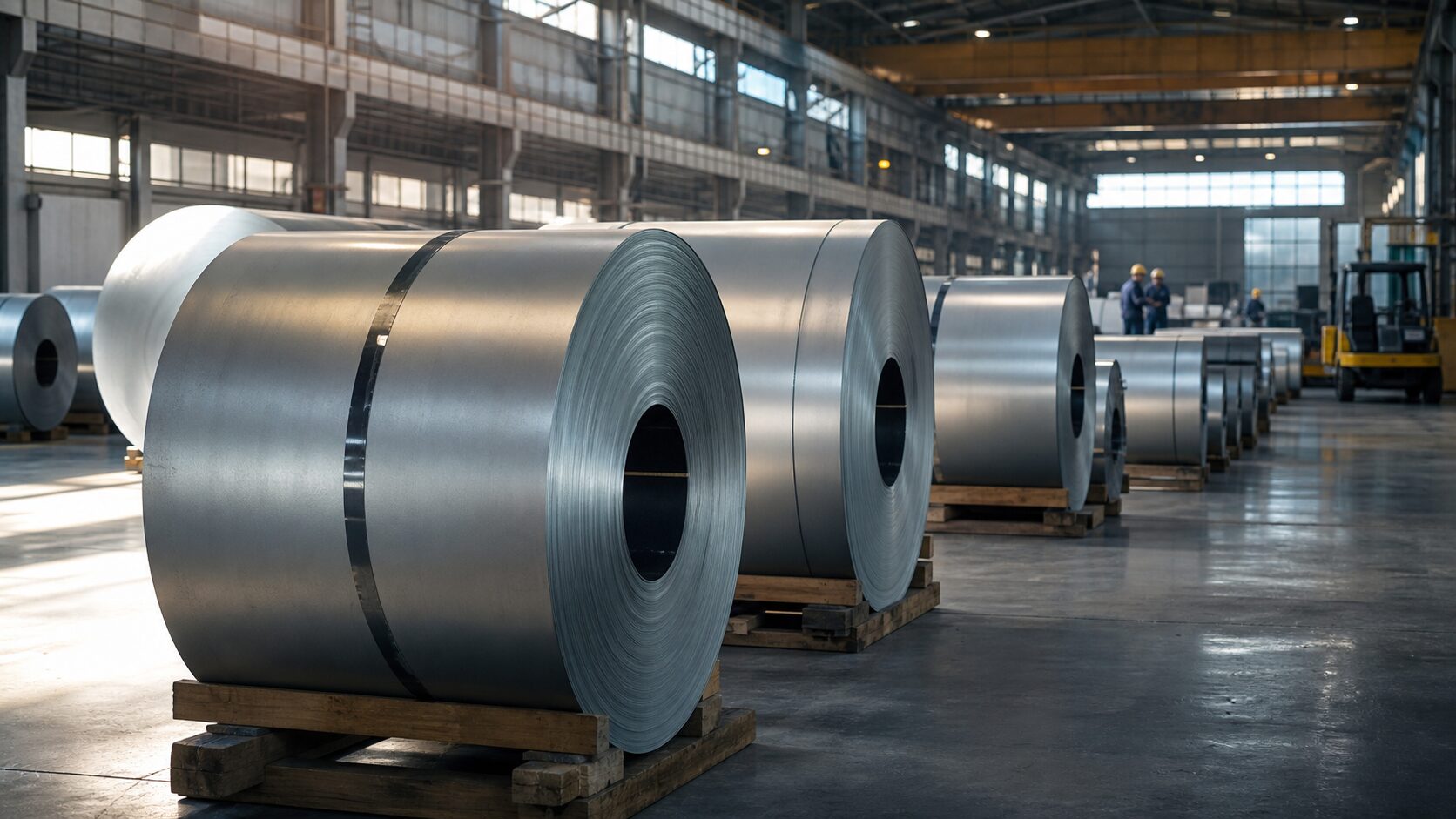
Japan has taken an important but still provisional step in a coated-steel trade case that matters well beyond steelmakers. On July 24, 2026, the Ministry of Finance and the Ministry of Economy, Trade and Industry said they had made a preliminary determination in the anti-dumping investigation into hot-dipped galvanized steel coil, sheet and strip from South Korea and China.
The careful reading is important. Japan has not announced a definitive anti-dumping duty in the accessible English release. The ministries said their preliminary determination presumes dumped imports and material injury to domestic industry, while a further investigation will decide whether a final duty should be imposed.
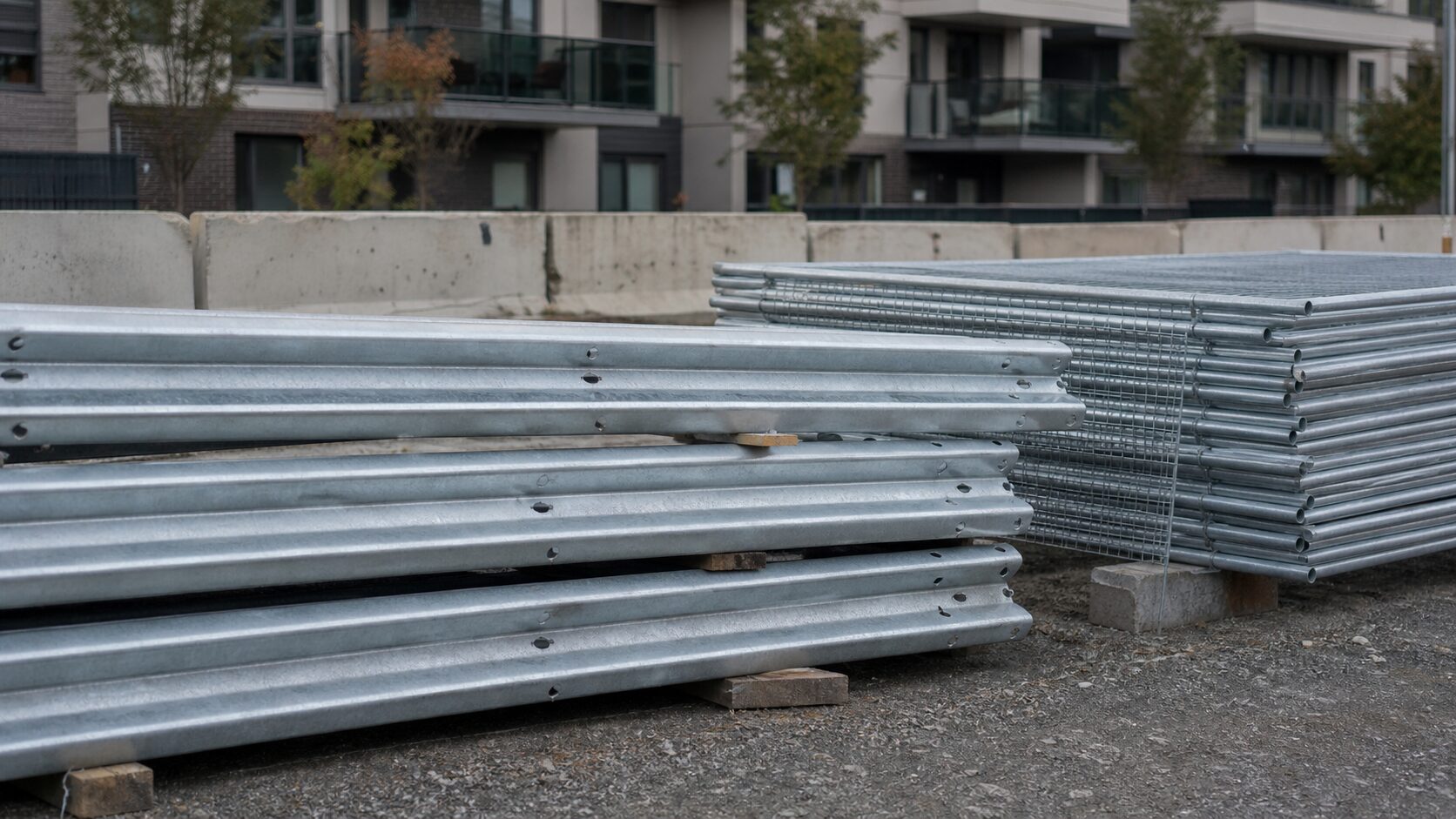
For international readers, this is a window into how Japan is handling industrial trade frictions at a time of global steel overcapacity, regional supply-chain pressure and more active trade-remedy use. The product is not exotic. It sits in guardrails, housing materials, fences and electric-appliance components, which means any final duty decision could matter to construction, infrastructure, appliance and trading-company procurement as well as steel-company margins.
Key Takeaways
- Japan's July 24 action is a preliminary determination, not a final duty decision.
- The investigation covers hot-dipped galvanized steel coil, sheet and strip from South Korea and China, excluding Hong Kong and Macao.
- The ministries extended the investigation by four months to December 12, 2026, saying the extra period is needed to review evidence and documents from interested parties.
- Domestic applicants listed by the ministries are NIPPON STEEL CORPORATION, NIPPON STEEL COATED SHEET CORPORATION, Kobe Steel, Ltd. and YODOKO, Ltd.
- Downstream users should watch the final decision because coated steel is used in construction materials and appliance components, not only in steel-industry inventory.
What Japan Decided On July 24
The July 24 Ministry of Finance preliminary-determination release says the case began with an April 28, 2025 application from four Japanese steel producers. MOF and METI then opened the investigation on August 13, 2025 to determine whether to impose an anti-dumping duty on hot-dipped galvanized steel coil, sheet and strip from South Korea and China.
The ministries said they had reviewed evidence from interested parties, including suppliers in South Korea and China, and had given those parties opportunities to submit evidence and views. Their preliminary determination, announced by public notice on July 24, presumes both dumped imports and material injury to domestic industry.
The same source also keeps the next step open. MOF and METI said they will continue the investigation under World Trade Organization agreements and Japanese law before deciding whether the product was imported at dumped prices, whether those imports caused material injury, and whether a definitive duty should be imposed.
Swipe horizontally to view all columns.
| Case milestone | Date or period | What it means | Source |
|---|---|---|---|
| Application for investigation | April 28, 2025 | Four domestic producers asked for an anti-dumping investigation. | MOF/METI preliminary release and Japan Customs status page |
| Investigation initiated | August 13, 2025 | MOF and METI began the formal joint investigation. | Japan Customs status page |
| Preliminary determination | July 24, 2026 | The ministries made a preliminary finding presuming dumped imports and injury. | MOF/METI preliminary release |
| Investigation extended | Until December 12, 2026 | The ministries extended the case by four months for further review. | MOF/METI extension release |
| Final duty decision | Not yet announced | The government still must decide whether to impose a definitive duty. | MOF/METI preliminary release |
The companion extension release says the review period was extended by four months to December 12, 2026. The stated reason was to review evidence and documents submitted by interested parties while ensuring transparency and fairness. The ministries also noted that the investigation normally should conclude within one year, but can be extended by up to six months in special circumstances.
Why Coated Steel Matters Beyond Mills
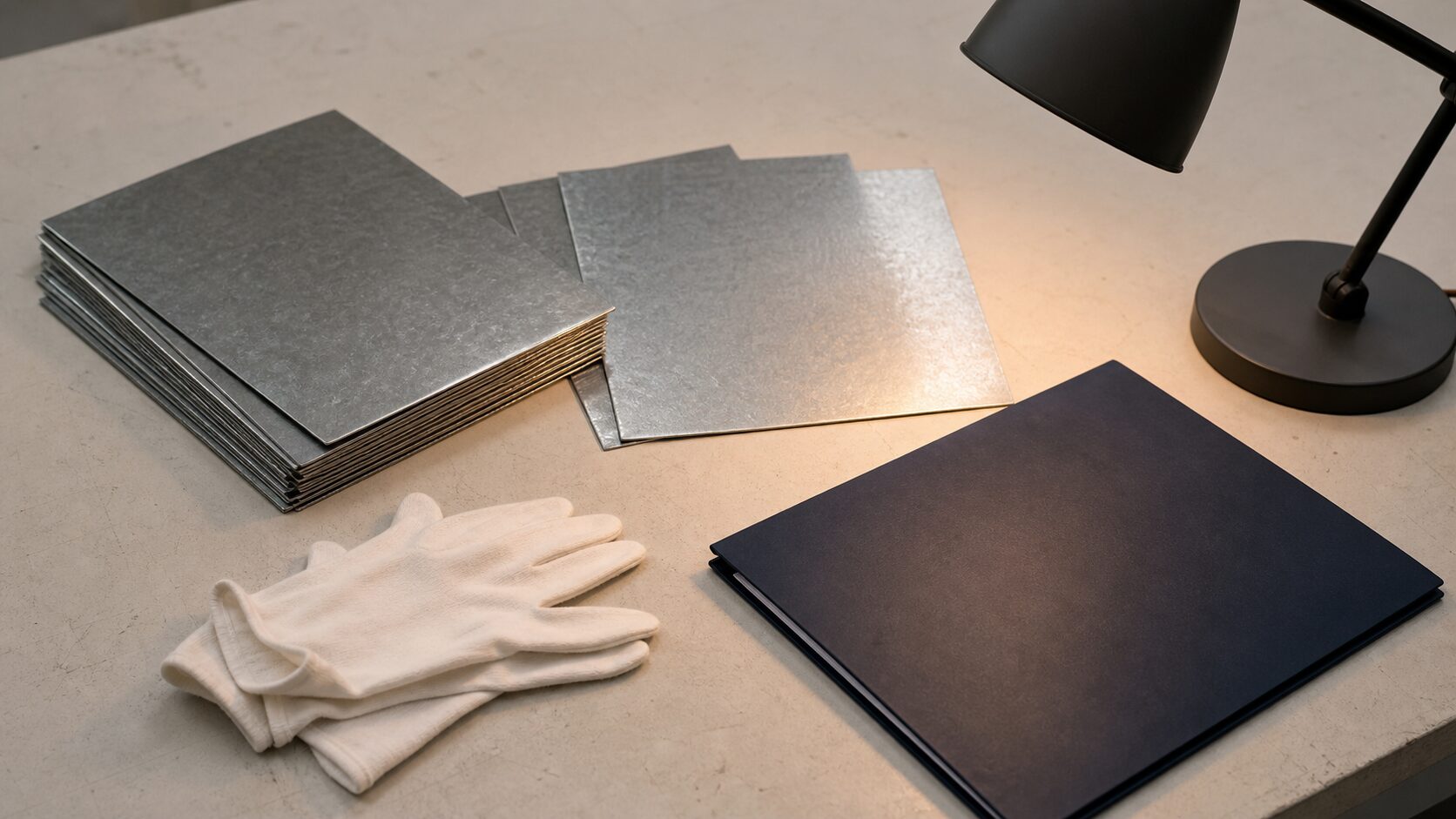
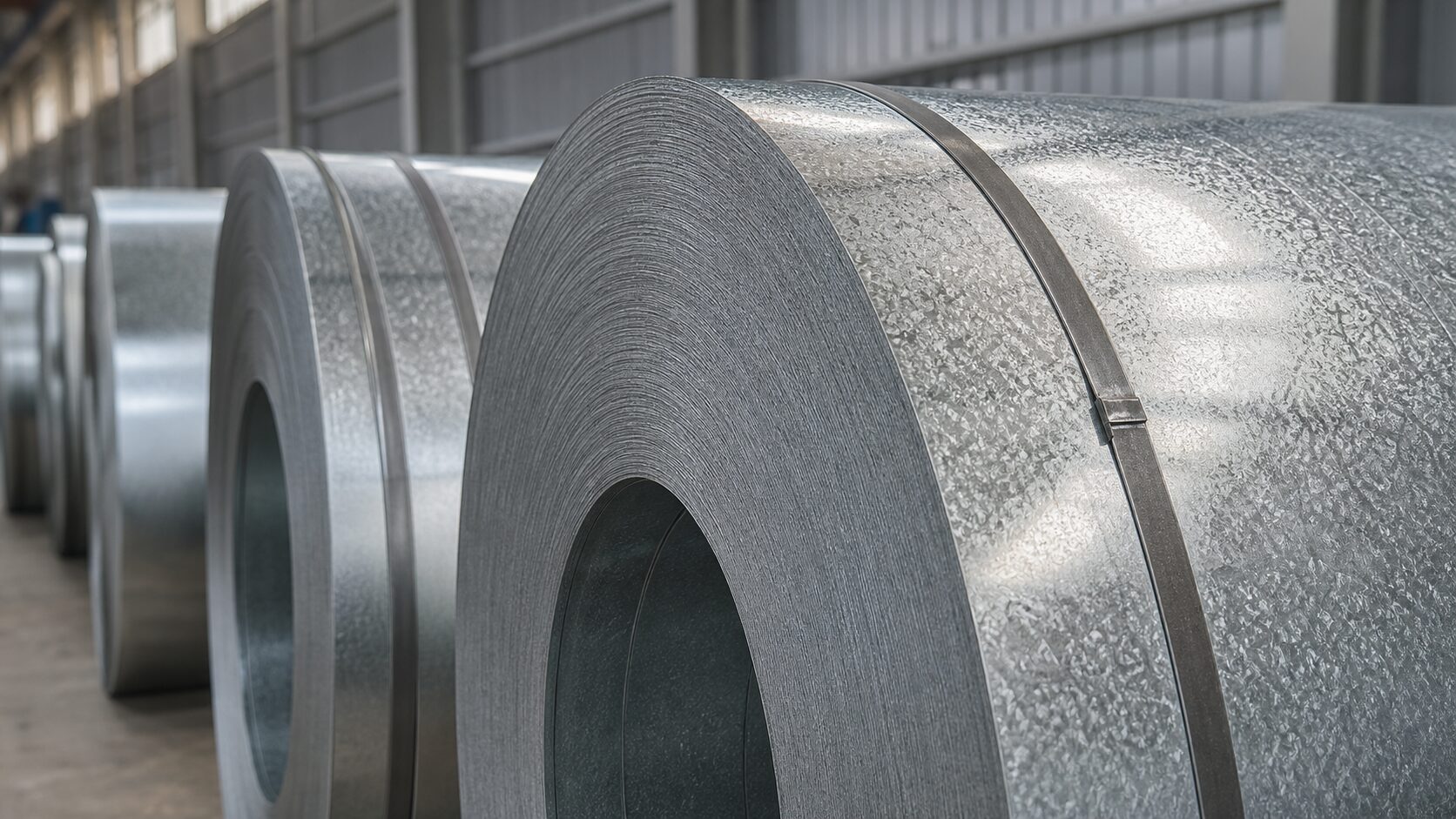
The product scope is technical, but the business issue is straightforward. Japan Customs describes the subject product as hot-dipped galvanized steel coil, sheet and strip, with zinc-coated anti-rust characteristics used in construction materials and electric-appliance components.
The Japan Customs case page lists the product under Harmonized System subheadings 7210.49, 7212.30, 7225.92 and 7226.99, with several exclusions. It also describes common uses such as guardrails, houses, fences and appliance components. That means the final trade-remedy outcome could touch steel distributors, importers, contractors, housing-material suppliers and appliance manufacturers, not only blast-furnace operators.
Swipe horizontally to view all columns.
| Product or party | Definition for this article | Period or data date | Why it matters | Source |
|---|---|---|---|---|
| Hot-dipped galvanized steel | Steel coil, sheet and strip with anti-rust surface galvanizing. | Product scope accessed July 25, 2026 | It is a basic material for weather-exposed and durable metal uses. | Japan Customs and MOF/METI |
| Covered origins | South Korea and China, excluding Hong Kong and Macao. | July 24, 2026 determination | The case is country-specific and does not cover all imported coated steel. | MOF/METI |
| Domestic applicants | NIPPON STEEL CORPORATION, NIPPON STEEL COATED SHEET CORPORATION, Kobe Steel, Ltd. and YODOKO, Ltd. | Application dated April 28, 2025 | The case was triggered by named domestic steel producers. | MOF/METI |
| Foreign suppliers and importers | Interested parties in the investigation process. | Investigation started August 13, 2025 | Their submitted evidence can still shape the final outcome. | Japan Customs |
| Industrial users | Downstream users of coated steel products. | Procedures listed by Japan Customs | They face procurement and input-cost implications if a final duty follows. | Japan Customs |
This is why the case should not be read only as a steel-stock headline. If Japan eventually imposes a definitive duty, the direct policy target would be dumping and injury, but the commercial effects would be distributed across price negotiations, supplier qualification, inventories and contract timing.
The Process Risk For Importers And Suppliers
The most important investment-safety point is that a preliminary determination is not the same as a final tariff schedule. The July 24 MOF/METI release does not give an accessible English duty rate and does not say the definitive duty decision has already been made. It says the government will make that decision after further investigation.
That leaves several uncertainties. Foreign producers can still contest facts, importers can face uncertainty over landed costs, and industrial users may need contingency plans without knowing the final duty outcome. Domestic producers may benefit if the final decision constrains low-priced imports, but they still face demand, raw-material, energy and currency risks that a trade remedy cannot solve on its own.
The process also has a diplomatic and supply-chain dimension. The Japan Iron and Steel Federation's August 2025 comment framed the investigation against a broader increase in trade-remedy measures linked to Chinese steel exports and excess capacity. Reuters, in a July 24 report republished by MarketScreener, described Japan's action as a preliminary finding and noted the four-month extension to December 12.
For investors outside Japan, the signal is not that Japan is becoming indiscriminately protectionist. The official record is more specific: a defined product, named countries of origin, an application from domestic producers, evidence collection from interested parties and a continued process under WTO and domestic rules.
What To Watch Before December
The next checkpoint is the final determination process before the new December 12, 2026 deadline. The most important items are any announced duty rate, the exact covered product scope, the treatment of specific suppliers, and whether downstream industrial users raise cost or supply concerns in the record.
Investors should also watch how Japanese steelmakers discuss import pressure in earnings materials. A favorable trade-remedy outcome could help pricing discipline in a narrow product area, but it would not by itself prove broad demand recovery or margin expansion. Conversely, importers and users may adapt through contract clauses, inventory planning or alternate sourcing if they expect duties.
The bigger industrial-policy lesson is that Japan is using a rules-based process to test complaints from domestic producers while leaving space for evidence from suppliers, importers and users. That process is slower than a political headline, but it is exactly the kind of detail that determines whether a trade case becomes a lasting cost change or only another point of uncertainty in a global steel cycle.
Sources
- Ministry of Finance and Ministry of Economy, Trade and Industry, Preliminary determination of Anti-Dumping Duty on Hot-dipped galvanized steel coil, sheet and strip originating in the Republic of Korea and the People's Republic of China, dated July 24, 2026.
- Ministry of Finance and Ministry of Economy, Trade and Industry, Extension of the Period of Anti-Dumping Investigation on Hot-dipped galvanized steel coil, sheet and strip originating in the Republic of Korea and the People's Republic of China, dated July 24, 2026.
- Japan Customs, Hot-dipped galvanized steel coil, sheet and strip originating in the Republic of Korea and the People's Republic of China, accessed July 25, 2026. The English page is described by Japan Customs as a provisional and unofficial translation.
- The Japan Iron and Steel Federation, Initiation of an Anti-dumping Investigation for Hot-dip Galvanized Steel Strip and Steel Sheet originating from the Republic of Korea and the People's Republic of China, dated August 13, 2025.
- Reuters via MarketScreener, Japan makes preliminary finding on steel dumping by South Korea, China, published July 24, 2026.
Disclaimer
This article is for informational purposes only and does not constitute investment advice.

