
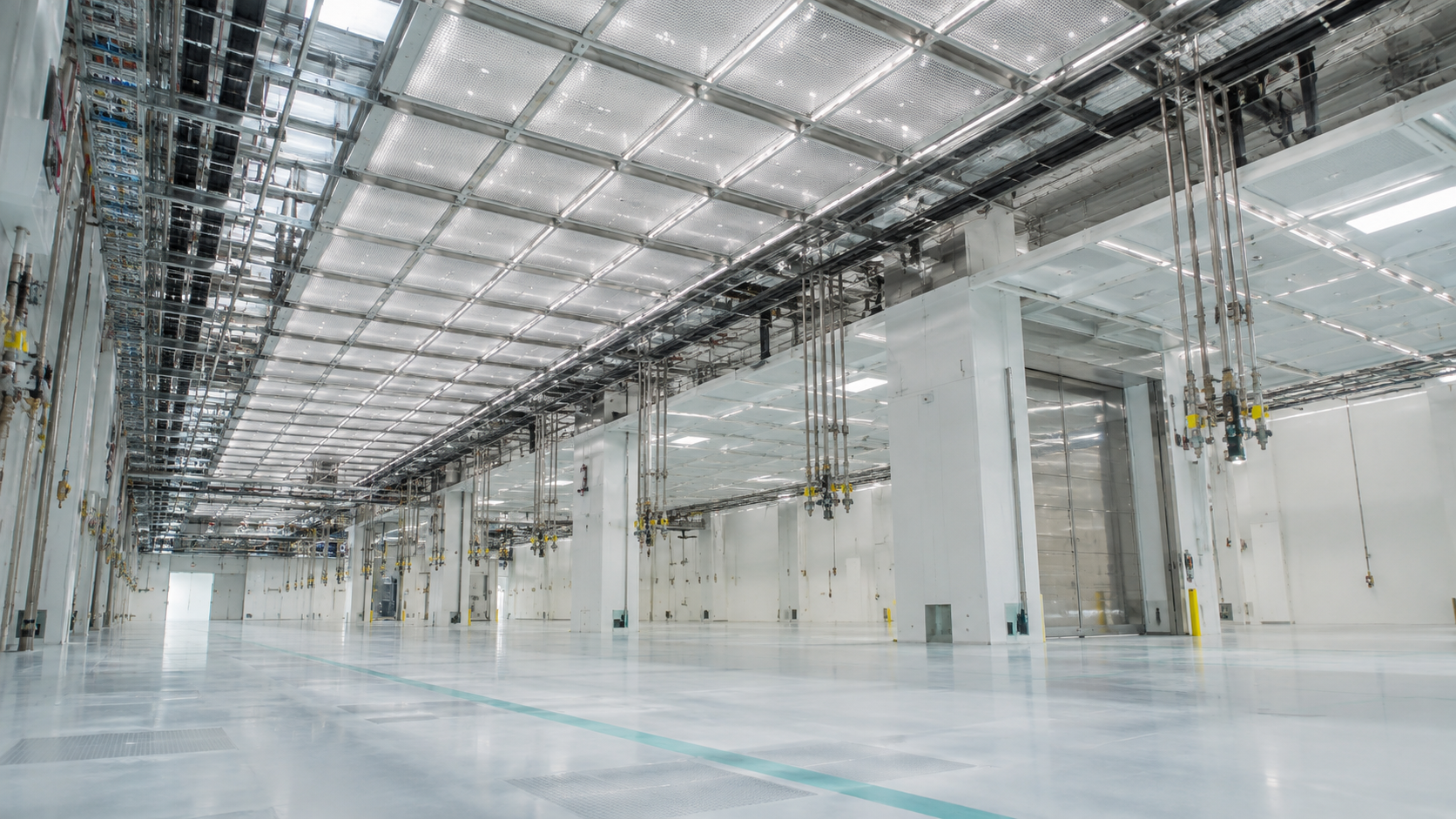
Micron has started building a new cleanroom at its Hiroshima site, but the most important date for readers is not the July 2026 groundbreaking. Micron says equipment move-in for the first phase is expected to begin in late 2028. That makes the project a meaningful long-term advanced-memory expansion, not evidence of additional near-term high-bandwidth-memory (HBM) output.
The distinction matters because a cleanroom, installed manufacturing tools, qualified process, and volume product are separate milestones. Micron's Japan release describes a phased first phase of roughly 300,000 square feet (about 28,000 square metres) for advanced-memory manufacturing. It also says the site supports Micron's global manufacturing and research network. The release does not put a date on HBM volume output from the new space.
For international investors and industry readers, the better question is therefore: what must happen between a construction announcement and added HBM supply? This guide sets out the timeline, the evidence to watch, and the limits of what the public announcement can prove.
Key takeaways
- Micron announced construction of a new Hiroshima cleanroom on July 4, 2026; the first phase is about 300,000 square feet.
- Micron expects equipment move-in to begin in late 2028. That is an infrastructure milestone, not a shipment or revenue date.
- The company says the site will support advanced DRAM and HBM development, but it has not published a separate production-volume timetable for the new cleanroom.
- A useful HBM-supply reading sequence is: cleanroom readiness, tool installation, process qualification, customer qualification, then volume shipments.
- Micron's next formal company checkpoint is its FY2026 fourth-quarter results call on September 30, 2026.
What Micron Announced in Hiroshima
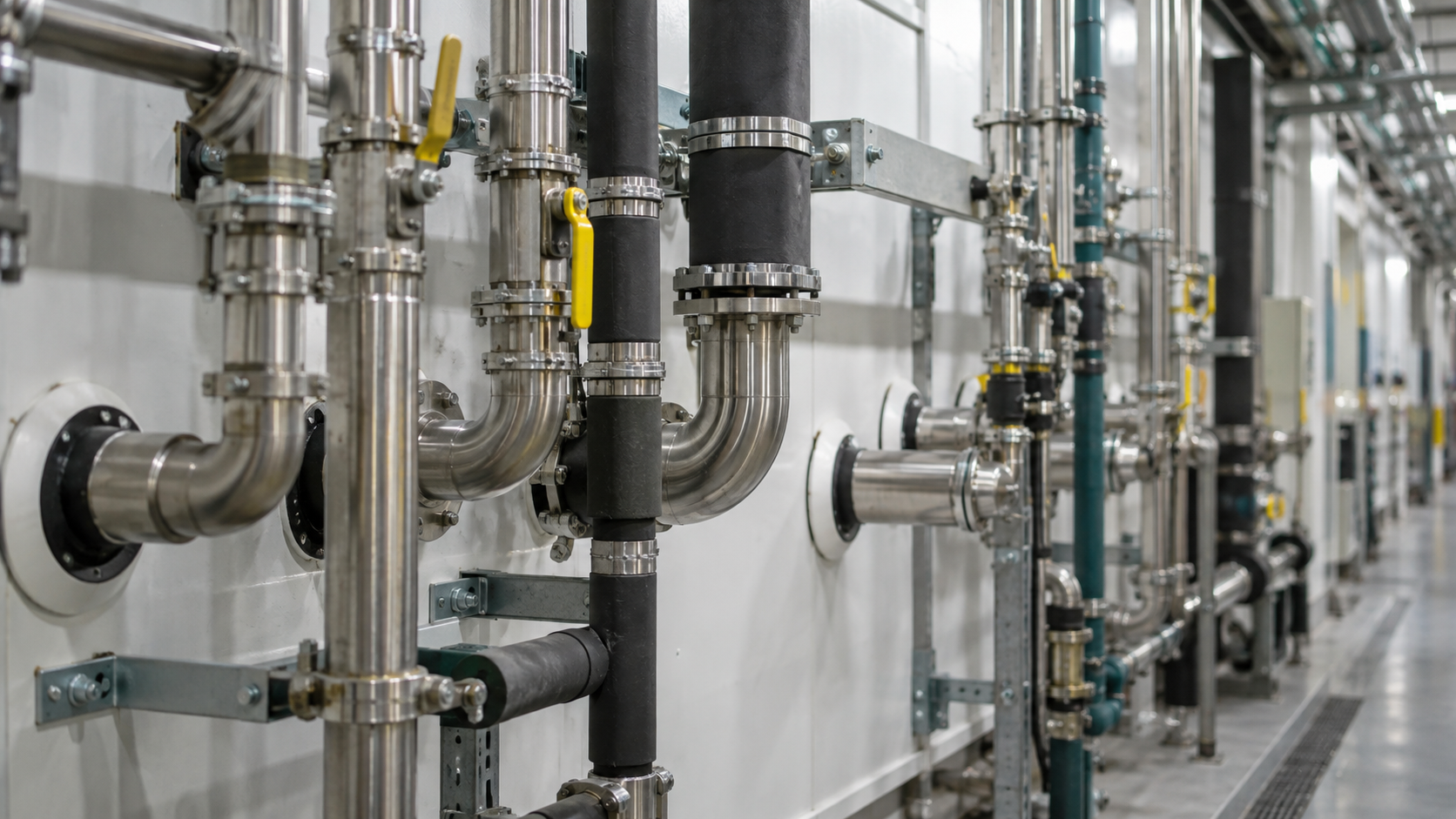
Micron's July 4 release says it began construction of a new cleanroom at its Hiroshima manufacturing site in Higashi-Hiroshima. The first phase is planned at roughly 300,000 square feet, or about 28,000 square metres. The company describes the project as a way to strengthen advanced-memory manufacturing capacity in Japan as demand for artificial-intelligence workloads increases.
That is a material physical commitment. A cleanroom is the controlled environment that makes advanced semiconductor manufacturing possible: air quality, utilities, vibration control, process gases, water, power, and tool layout all have to work together before a production line can run. But a cleanroom shell is not the same thing as installed lithography, deposition, etch, metrology, test, packaging, or qualified product.
Micron says equipment move-in is expected to start in the second half of 2028. Its release also says the project received support of up to JPY 536 billion that Japan's Ministry of Economy, Trade and Industry announced in September 2025. Those facts establish a long-dated capacity project and a Japan policy connection; they do not establish an HBM output number or a first-shipment date.
Timeline: From Cleanroom to Qualified Supply
The headline date can be misleading if all semiconductor milestones are treated as interchangeable. The following sequence is a practical way to read Micron's announcement.
Swipe horizontally to view all columns.
| Stage | What the disclosed facts support | What it does not establish | Evidence to watch next |
|---|---|---|---|
| Cleanroom construction | A phased advanced-memory facility is being built in Hiroshima. | Operating wafer capacity or HBM output. | Construction progress and utility completion. |
| Equipment move-in | Micron expects it to begin in late 2028. | A completed process line or customer-qualified product. | Tool-installation, process-start, and ramp disclosures. |
| Process and product qualification | A future technical and manufacturing step; no project-specific timetable has been published. | Commercial volume or a customer revenue contribution. | Product qualification, yield, and customer-sampling commentary. |
| Volume supply | A later commercial milestone. | It cannot be inferred from a cleanroom announcement. | Shipment, revenue, capacity, or product disclosures from Micron. |
Micron's FY2026 third-quarter materials show why separating those stages is useful. The company said it was already shipping HBM4 in high volume for a lead customer's platform and had sent qualification samples to multiple end customers. It also said HBM4E development on 1-gamma DRAM technology was under way, with volume production expected in calendar 2027. Those are company-wide product statements; Micron did not say that the late-2028 Hiroshima equipment move-in would supply those 2027 volumes.
The clean reading is that Micron has an existing HBM product roadmap and a separate future Hiroshima infrastructure project. Both can matter to AI-memory supply, but on different time horizons.
What the Expansion Does—and Does Not—Mean for HBM
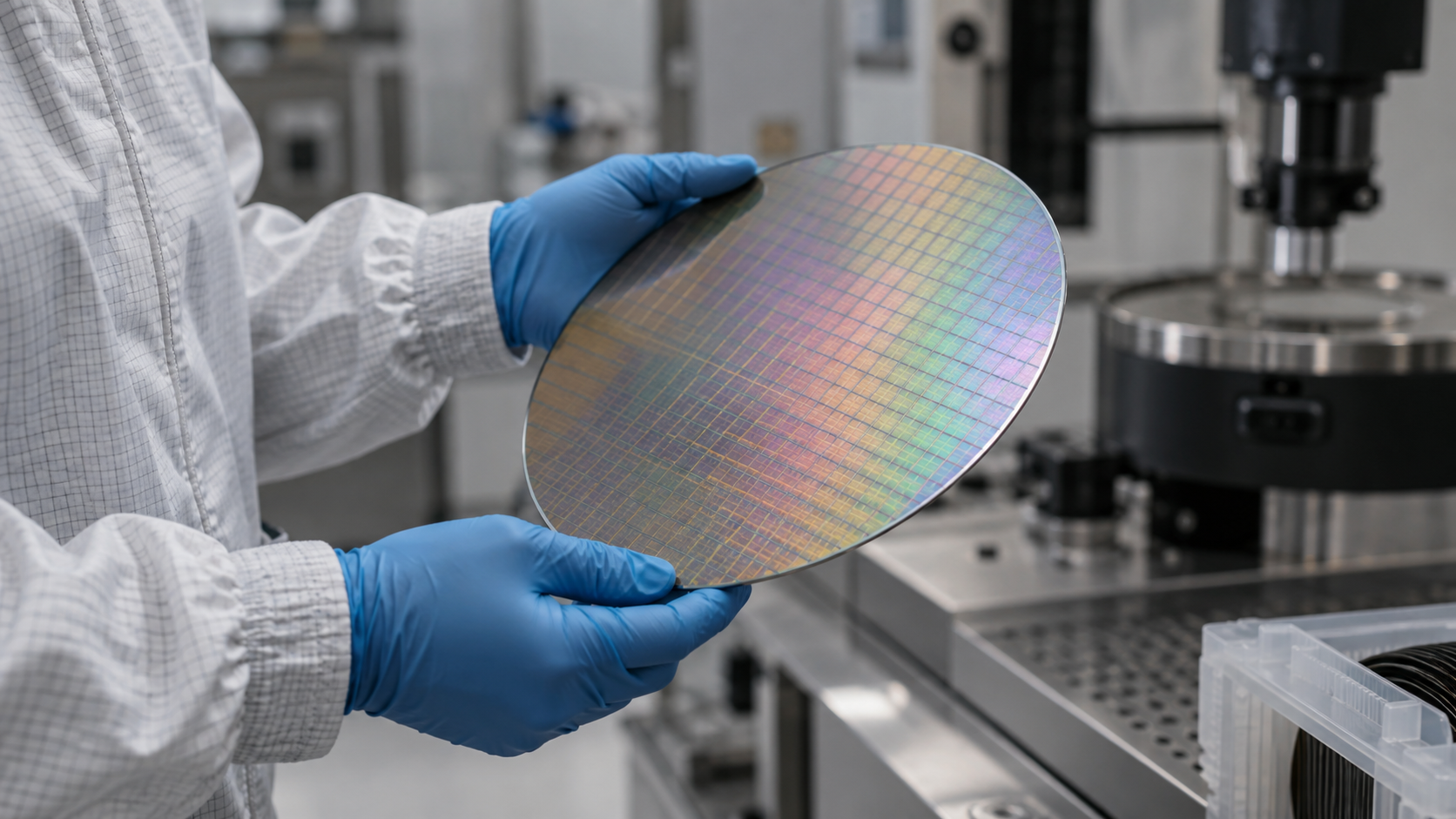
The project is relevant to HBM because HBM is built from advanced memory technology and its supply chain depends on leading DRAM capability, manufacturing scale, yield, packaging, and customer qualification. Micron's Japan release says the Hiroshima team has supported DRAM technology transitions, including 1-beta production and planned 1-gamma DRAM work using extreme-ultraviolet lithography. It also says the site contributes to development of next-generation advanced DRAM and HBM.
That makes the expansion strategically relevant. It does not make the new building a stand-alone HBM-output forecast. HBM availability also depends on product mix, assembly and packaging capacity, yields, allocation decisions, customer platforms, and demand from data-centre customers. A cleanroom expands the set of future production options; it does not disclose how Micron will allocate every square metre or every tool.
Readers should be especially wary of three shortcuts:
- Construction equals output. It does not. The disclosed equipment move-in date is late 2028, and further process and qualification work would still follow.
- Advanced DRAM equals all HBM supply. HBM is a product and supply-chain outcome, not simply a floor-space category.
- Government support equals a guaranteed commercial result. Support can strengthen project economics and policy alignment, but it does not remove execution, technology, demand, or timing risk.
How to Track the Project Without Guessing
The most useful update path is evidence-led rather than price-led. Start with Micron's own disclosures, then ask whether each new fact moves the project from one milestone to the next.
Swipe horizontally to view all columns.
| Question | Strong evidence | Weak evidence |
|---|---|---|
| Is the cleanroom on schedule? | Company construction update, completion milestone, or equipment-installation disclosure. | A generic reference to AI demand. |
| Is equipment being installed? | Stated tool move-in, line readiness, or process-start information. | A third-party expectation without company confirmation. |
| Is HBM product supply growing? | Product-shipment, qualification, capacity, or revenue commentary tied to a period. | Treating a construction photo as a capacity estimate. |
| Is the Japan connection expanding? | Micron, METI, or local-government disclosure of project scope, suppliers, workforce, or policy support. | A broad claim that every Japan semiconductor project benefits equally. |
Micron has scheduled its FY2026 fourth-quarter results call for September 30, 2026. That is a useful near-term checkpoint for company-wide HBM and memory commentary, but it should not be pre-read as a Hiroshima construction update. The project itself has a much longer clock.
Why Hiroshima Matters to ATG Readers
Micron is a U.S.-listed company, yet the Hiroshima expansion is directly connected to Japan's effort to deepen its advanced-semiconductor ecosystem. The company says the project is intended to strengthen relationships with Japanese suppliers, academic institutions, and the local community. Its July release also describes the Hiroshima site as an important part of Micron's global manufacturing and research network.
For a broader map of the domestic ecosystem, see ATG Press's Japanese semiconductor stocks research guide. For the lithography technology that shapes leading-edge manufacturing choices, see ASML High-NA EUV: Why 0.55 NA Changes Chipmaking.
The practical takeaway is not that every Japanese supplier becomes a direct beneficiary, or that a capacity announcement predicts a listed company's returns. It is that Micron's disclosure provides a concrete, dated example of how global AI-memory investment and Japanese manufacturing infrastructure connect.
The Bottom Line
Micron's Hiroshima cleanroom expansion is a real long-term advanced-memory investment with a clear physical and policy connection to Japan. The public timeline is equally clear about its limit: equipment move-in is expected to start in late 2028. Until Micron provides later facts on installation, process qualification, product allocation, and volume shipments, readers should treat the project as future manufacturing optionality—not as present HBM supply.
This article is for informational purposes only and does not constitute investment advice.
Sources
- Micron Technology Japan, Micron breaks ground on a Hiroshima cleanroom for advanced memory for AI — English translation of Japanese title, July 4, 2026; accessed September 24, 2026.
- Micron Technology, FY2026 third-quarter results, June 24, 2026; accessed September 24, 2026.
- Micron Technology, Micron to report FY2026 fourth-quarter results on September 30, 2026, August 26, 2026; accessed September 24, 2026.
- Japan Ministry of Economy, Trade and Industry, Outline of Semiconductor Revitalization, accessed September 24, 2026.

